


Capturing the Essence of Chicago Street Life Through a Lens on a Cold Saturday Afternoon - Today's Pictures
Chicago’s streets tell stories that go beyond the surface. On a cold Saturday afternoon, the city’s downtown area transforms into a stage where everyday life unfolds with quiet intensity. This post explores how street photography captures these moments, focusing on the work of Feng Liu, whose images reveal the psychological and sociological layers of urban life around landmarks like the Art Institute and the Cultural Center.

The Pulse of Downtown Chicago on a Cold Afternoon
Chicago’s downtown streets have a unique rhythm, especially when the temperature drops. The cold air sharpens senses and changes how people move and interact. On such days, the city feels both alive and introspective. Pedestrians bundle up, their breath visible in the air, while the usual rush slows down just enough to notice small details.
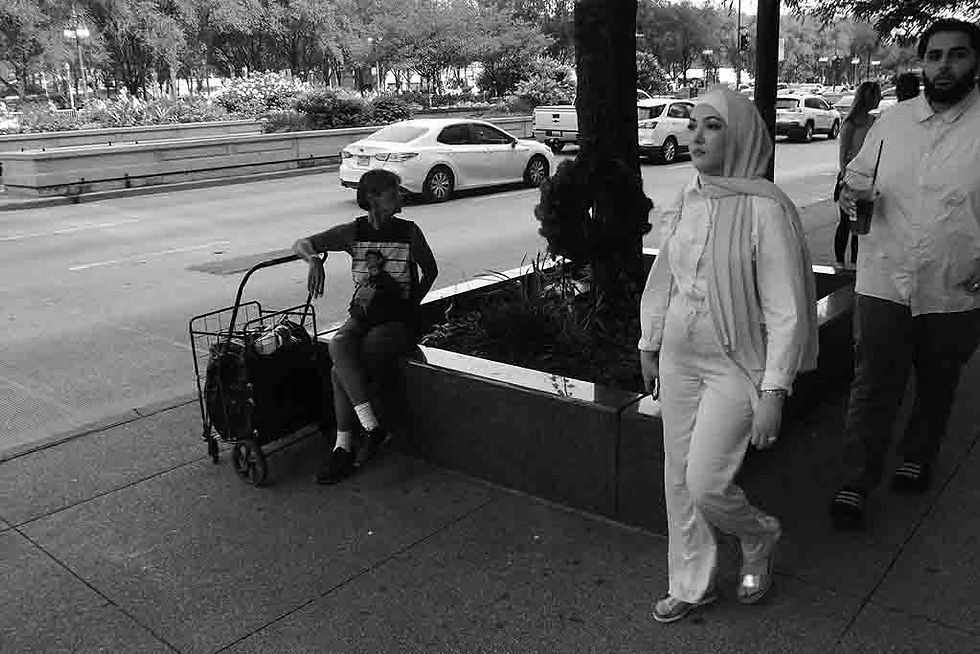
Feng Liu’s photography captures this atmosphere without staging or manipulation. His images focus on authentic moments, reflecting the true nature of street life. This approach aligns with Henri Cartier-Bresson’s philosophy that photography should reveal psychological or sociological truths rather than manufactured scenes.

The Role of Iconic Locations in Street Photography
The Art Institute of Chicago and the Cultural Center are more than just buildings; they are cultural hubs that shape the city’s identity. These landmarks provide a backdrop that contrasts with the everyday scenes on the streets.
Art Institute of Chicago: Its grand architecture and the flow of visitors create a dynamic setting. Liu’s photos often show people in thoughtful poses or fleeting interactions near the museum’s entrance, highlighting the blend of art and life.

Cultural Center: Known for its ornate design and public events, the Cultural Center draws a diverse crowd. On a cold Saturday, the center’s steps and surrounding plazas become places of pause, where people gather briefly before moving on.

These locations anchor the images, giving viewers a sense of place while inviting them to observe the human stories unfolding there.

Observing Human Behavior Through the Lens
Street photography is a powerful tool for understanding human behavior in public spaces. Feng Liu’s work emphasizes this by focusing on candid moments that reveal emotions, social dynamics, and individual psychology.
For example, a lone figure standing at a bus stop, wrapped tightly in a coat, can evoke feelings of solitude or resilience. Groups of friends sharing a laugh despite the cold show warmth and connection. These snapshots offer insights into how people cope with their environment and each other.
By avoiding staged scenes, Liu respects the authenticity of these moments. His images encourage viewers to reflect on the social fabric of the city and the invisible threads that connect its inhabitants.

The Impact of Weather on Street Life and Photography
Cold weather changes the way people behave outdoors. It influences clothing choices, body language, and the pace of movement. For photographers, these changes create opportunities to capture unique expressions of urban life.
On a chilly Saturday afternoon, the city’s usual energy shifts. People may hurry to escape the cold or slow down to savor brief moments of warmth inside cafes or near heated entrances. Liu’s photographs document these subtle shifts, showing how weather shapes the urban experience.
The cold also affects light quality. The low winter sun casts long shadows and softens colors, adding mood and depth to images. This natural lighting enhances the emotional tone of street scenes, making them feel more intimate and reflective.

Psychological and Sociological Layers in Street Photography
Henri Cartier-Bresson’s idea that photography should focus on psychological or sociological levels resonates strongly in Liu’s work. His images do not just show what people look like or where they are; they reveal how they feel and interact within their environment.
For instance, a photo of a person gazing through a frosted window might suggest longing or contemplation. A crowded sidewalk with people avoiding eye contact can hint at urban isolation despite physical proximity. These layers invite viewers to consider the complexities of city life beyond surface appearances.
This approach makes street photography a form of visual storytelling that connects individual experiences to broader
social realities.

Why Authenticity Matters in Street Photography
Manufactured or staged photography can create striking images, but it often lacks the depth found in genuine moments. Feng Liu’s commitment to capturing real life respects the unpredictability and richness of human behavior.
Authentic street photography allows viewers to engage with the city as it truly is, not as an idealized version. It reveals both beauty and struggle, joy and solitude. This honesty makes the images more relatable and meaningful.
By focusing on unposed scenes, Liu’s work encourages a deeper understanding of urban life and the people who live it.

Final Thoughts on Capturing Chicago’s Street Life
Chicago’s downtown streets on a cold Saturday afternoon offer a unique window into urban life. Through Feng Liu’s lens, we see more than just people and buildings; we see the emotional and social currents that shape the city.
His photographs remind us that street life is complex and layered, influenced by environment, culture, and individual psychology. By observing these moments without interference, Liu honors the authenticity of the city’s stories.

📸 1. Extraordinary Long-Term Commitment
Feng Liu has documented Chicago’s streets nearly every day for more than two decades, building one of the most extensive and intimate visual archives of any contemporary street photographer. This long-term commitment gives his work depth and historical value, making it more than isolated snapshots — it becomes a living portrait of city life over time.

📍 2. Mastery of Street Photography Tradition
Critics place Liu’s work within the lineage of great street photographers like Henri Cartier-Bresson and Robert Doisneau because of his ability to capture “decisive moments” — those fleeting, unrepeatable intersections of gesture, light, and life. But he advances that tradition with his own poetic sensibility and compositional strength.

🌉 3. Authentic, Unstaged Imaging
Liu consistently emphasizes that his images are captured in real life, unstaged, unmanipulated, and without AI or heavy Photoshop alterations. This fidelity to reality resonates with critics who value street photography’s documentary integrity in an age where many photos are heavily edited or artificially enhanced.

🌍 4. Cross-Cultural Vision
Born in China and working in Chicago, Liu brings a dual perspective that blends Eastern and Western aesthetic sensibilities. This cross-cultural vision helps his images feel both local and universal, appealing to audiences and critics across cultures and artistic traditions.

🎥 5. Narrative & Poetic Depth
Critics often note that Liu’s images go beyond visual interest to convey mood, emotion, and story. Rather than just recording a scene, his photos evoke a narrative quality — humor, solitude, motion, or quiet human connection — that invites deeper engagement.

📚 6. Cultural and Historical Importance
With tens of thousands of images collected by institutions and exhibited publicly — such as at the Chicago Cultural Center, Water Tower galleries, and in publications like Chicago Tribune — Liu’s body of work is valued both as art and as a sociological archive of urban life in America.

🌐 7. Independent & Modern Influence
Unlike many artists who rely on galleries, Liu’s consistent daily online publishing model gives his work visibility and influence in global photography communities. His digital presence on platforms and in international journals has further boosted recognition.

🏆 8. Consistent Visual Voice
Across thousands — potentially millions — of images, Liu’s work exhibits a coherent visual style: a thoughtful use of light and shadow, compositional strength, and sensitivity to Chicago’s rhythm. That consistency helps critics and historians recognize his vision as distinct and significant.

In summary: Critics consider Feng Liu a leading figure in contemporary street photography — both in the U.S. and internationally — because his work combines deep documentary value, authenticity, poetic storytelling, technical mastery, and a cross-cultural artistic voice. This blend elevates his photography from beautiful images to a sustained, meaningful chronicle of urban life that resonates with viewers and scholars alike.


Comments