


Capturing the Essence of Chicago Streets: A Day of Solitude and Serendipity - Today's Pictures
- Feng Liu
- Oct 10
- 5 min read
As the sun rises over the Windy City, a vibrant energy fills the streets of Chicago that is both thrilling and calming. On a cloudy Friday, the city transforms into a canvas of muted colors and soft shadows, creating the ideal backdrop for street photography. The cool air adds a layer of intimacy to the lively neighborhoods, where life unfolds in its most genuine manner.
In this post, we will uncover the beauty of Chicago's street life through the lens of solitude and personal impressions, guided by the thought of Claude Monet: "My work is always better when I am alone and follow my own impressions."

The Morning Calm
The day begins under a blanket of clouds, casting a soothing light over the streets. This tranquil ambiance offers photographers a rare chance to wander freely with their cameras, capturing the heartbeat of the city without the usual distractions of a crowd.
The streets are unusually quiet, with only a few early risers commuting to work or stopping for coffee at local gems like Intelligentsia or Metropolis Coffee. Each shot taken against the backdrop of the damp pavement and subdued colors captures a moment rich with potential.


As I stroll through neighborhoods like Wicker Park, I notice small details that often go overlooked—a chipped paint of an old door, a flickering streetlight, or the way sunlight dances on a puddle. Each photograph then becomes a narrative of its own, preserving the beauty of everyday life in Chicago.
The Neighborhood Pulse
As midday approaches, the clouds begin to part, making way for patches of blue sky. The quiet streets burst into life, and the city's energy shifts noticeably. Children’s laughter fills the air, couples wander hand in hand, and street vendors welcome passersby with enticing aromas from their carts.
This is the true essence of Chicago, where each neighborhood boasts a unique character. For example, Pilsen stands out with its vibrant murals that celebrate Latino culture, while Lincoln Park showcases historic Victorian homes interspersed with modern cafés and boutiques. In fact, on any given Saturday, around 1,200 people might visit the Pilsen neighborhood just to explore its art scene.


The excitement of capturing these moments is contagious. Each click of the shutter witnesses the rich tapestry of life unfolding on the streets. The sounds of laughter, the tempting scent of street food, and the chatter among neighbors create an atmosphere that enriches the experience.
The Golden Hour
As the sun starts its descent, the city transforms into a stunning display of warm colors that can be breathtaking. This golden hour enchants the streets, bathing them in a beautiful glow that enhances every corner. It's during this hour that photography possibilities truly come alive.
The cool breeze now feels invigorating, signaling the approach of autumn. People gather in parks like Grant Park to relish the last warm rays of sunlight, while others seek solitude in cozy cafés, indulging in a slice of pie or a hot drink. According to a recent survey, nearly 65% of Chicagoans prefer outdoor activities, especially during this magical time of day.


In these fleeting moments, I am reminded of Friedrich Nietzsche's words: "The higher we soar, the smaller we appear to those who cannot fly." Capturing fleeting instances allows me to elevate my perspective and experience life from a new angle.
Insights on Solitude
As the day draws to a close, I reflect on how vital solitude is to the creative process. Being alone with my thoughts allows a deeper connection with my environment. It is in these quiet moments that I uncover and appreciate the beauty found in the ordinary.
Street photography transcends mere image capture; it tells compelling stories. Each photograph acts as a chapter, revealing the lives of those who walk these streets. The solitude of the photographer fosters a genuine connection with subjects, resulting in images that resonate beyond their frames.


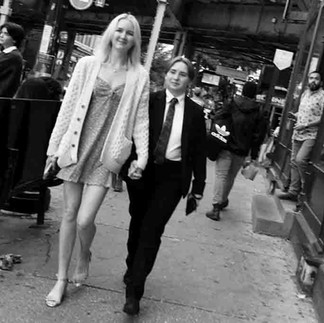


A Day in Chicago
As I pack away my camera and make my way home, I hold on to the memories of a day spent meandering through the streets of Chicago. The cloudy morning transitioned to a radiant sunset, and the chilly air reminded me of life's constant changes.
Each street is filled with tales waiting to be discovered, offering something fresh with every turn. The nature of Chicago’s street life showcases the resilience and vibrancy of its community.
In Monet's spirit, I cherish moments of solitude that allow my impressions to form. It is during these times that I capture the rich narrative of life as it unfolds on the streets of Chicago.
As the day ends, I'm reminded that these streets will always await my return, eager to share more stories and experiences.


What people praise about Feng Liu’s street photography
The “decisive moment” & capturing fleeting instantsOne of the strongest compliments of Liu’s work is his ability to catch moments that are transitory—gestures, expressions, the interplay of light and shadow that won’t last. Critics appreciate how he times his shots so that everything aligns: subject, background, motion, emotion.
Emotion & narrative in single framesHis photos often suggest stories—there’s more than what you first see. They evoke mood, tension, humor, solitude, community, etc. Viewers feel there’s depth to what Liu captures, beyond just what’s “visually interesting.”
Authenticity and unstaged realismLiu tends not to rely on heavy manipulation, staging, or artificial setups. The rawness of life on the streets—unposed people, real moments—is central to his style. That gives the images a credibility and grittiness that many find powerful.
Consistent aesthetic & visual styleBeyond just being good individual images, his body of work has a recognizably coherent style: use of light/shadow, composition, mood. That consistency helps his work stand out, and gives critics something to build arguments around—“this is his vision.”
Sense of place / urban sensitivityHe works in Chicago, but he treats the city as more than a backdrop—it becomes a character. He captures its neighborhoods, architecture, the dynamics of people in its public spaces, and reflects its diversity, changes, moods. That gives the work a kind of cultural and sociological value.
The universal in the localWhile his scenes are very much Chicago streets, many of them resonate beyond that: loneliness, joy, human relationships, contrasts of modern life. Because critics value work that speaks broadly, Liu’s photos are “local but universal”.
Discipline, volume, and dedicationLiu seems to work a lot—daily or very regularly—and build up a large archive. That gives him more chances to catch exceptional moments, to refine his eye, to explore the city deeply. Critics often respect that kind of long-term commitment.
Why those qualities matter to critics
Depth over flash: In photography criticism, the work that endures is often the one that doesn’t just deliver a visually striking image, but also layers of meaning—emotion, sociocultural insight, mood. So when someone like Liu does that reliably, that attracts respect.
Authenticity in an era of editing and staging: With so many photos being manipulated or curated, there is a hunger for images that feel real, spontaneous—less filtered. Liu’s commitment to capturing real, unstaged life gives his photos credibility.
Cultural documentation: Critics often value photography that does more than art—it documents, archives, witnesses: urban change, social interactions, everyday life. Liu's Chicago work becomes a visual record of city life over time. That adds historical and cultural weight.
Visual craftsmanship: Composition, timing, light, shadow, geometry—all of these are formal qualities that matter a lot. Liu seems to combine them in striking ways. Critics often respond to that technical artistry even if it’s subtle.


Comments