


Capturing the Essence of Neighborhood Life Through Feng Liu's Chicago Street Photography
In the heart of Chicago, street photography is a vibrant medium that brings neighborhood life to the forefront. Among the many impressive photographers, Feng Liu stands out for his exceptional ability to showcase the city's spirit, particularly during the stunning late afternoon hours. This post explores Feng Liu's Chicago street photography, shedding light on the stories behind his captivating images and the diverse neighborhoods that inspire him.
As Walt Disney aptly said, "If you can dream it, you can do it." This idea rings true in the world of street photography—where aspirations blend with reality to create powerful art that speaks to our emotions.
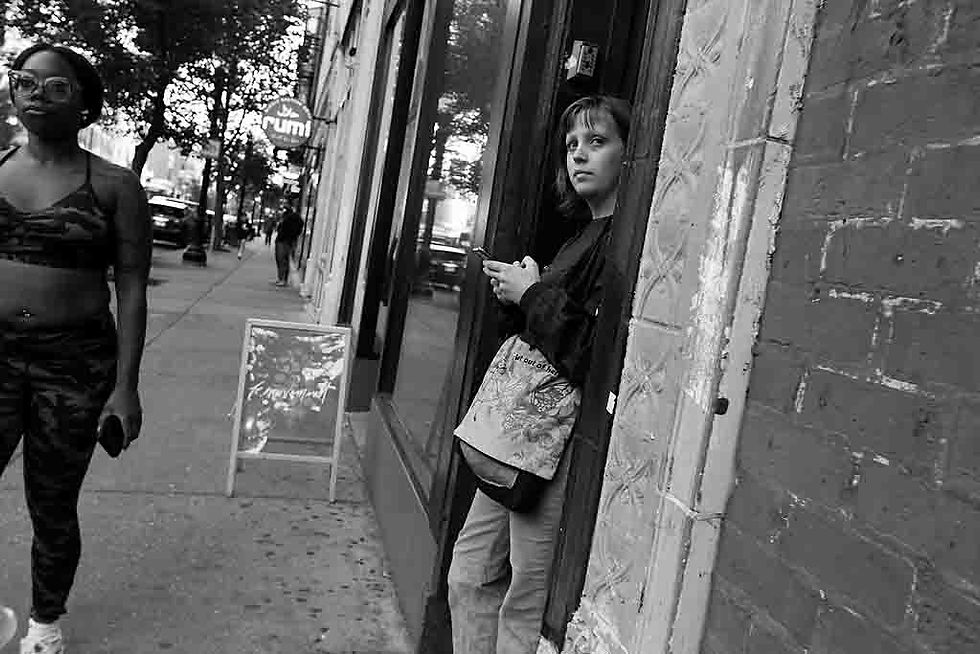
The Allure of Late Afternoon Light
Late afternoons in Chicago are nothing short of enchanting. As the sun descends, it casts a warm golden hue across the skyline and streets. This unique lighting is a treasure for street photographers like Feng Liu.
Liu skillfully utilizes the soft, diffused light to enhance his compositions. For instance, he might capture the way the sunlight glimmers on a child's laughter as they run through a park, or how it envelops an elderly couple sitting on a bench. This interplay of light and shadow not only adds drama to his photos but also breathes life into everyday moments.
Neighborhoods as Living Galleries
Chicago is a city rich in neighborhoods, each boasting its unique charm. Feng Liu's photography highlights this diversity, capturing the distinctive character of various areas.
For example, in Pilsen, Mariachi bands perform during local festivals, while colorful street murals tell stories of culture and resilience. In Hyde Park, the historic architecture serves as a backdrop for community events. Liu's photographs provide a visual diary that documents the lives of the residents, celebrating their stories and environments.
The Art of Observation
The wisdom of Tzu reminds us that "A good traveler has no fixed plans, and is not intent on arriving." This approach resonates in street photography, where the journey offers more than just a destination.
Feng Liu embodies this spirit, strolling through Chicago's streets with open eyes and an open heart. His keen observation allows him to seize moments that many might overlook. For instance, a fleeting exchange between friends or the focused expression of a busker performing on the sidewalk can become striking images, revealing the beauty of life unfolding around us.
The Emotional Connection
Photography transcends merely capturing sights; it is about stirring feelings. William Howe Downes emphasized that "In the hands of the artist, the photograph becomes a work of art." Liu's photography perfectly illustrates this concept.
Each of his photos narrates a story, inviting viewers to connect deeply with the subjects and settings. For example, a candid shot of a street vendor selling tacos might evoke nostalgia or comfort for someone familiar with similar scenes. Liu's authentic and profound images resonate with emotions, enhancing our appreciation for everyday life.
The Role of Community
At the heart of Feng Liu's work is a profound respect for community. His photography underscores the significance of human connections and the shared experiences that unite us.
His lens captures the essence of neighborhood life—showing interactions between residents in parks, festivals, and coffee shops. These moments remind us of the beauty and warmth found in daily encounters, prompting us to cherish the world around us.
The Influence of Culture
Chicago is a rich tapestry of cultures, and Liu's photography reflects this diversity vividly. He often showcases local festivals, markets, and gatherings that celebrate the city's heritage.
For instance, during the annual Chicago Air & Water Show, Liu captures images of families gathered on the beach to witness aerial performances. These visuals not only celebrate community spirit but also highlight the resilience and creativity of individuals who call the city home. They invite viewers to engage with Chicago's cultural mosaic and foster connections with its people.
The Power of Simplicity
In today's fast-paced world, Feng Liu's photography serves as a reminder that simplicity holds great power. His focus on singular subjects allows the viewer to appreciate beauty in the mundane.
By stripping away distractions, Liu creates intimacy in his work. A shot of a lone flower thriving in a cracked sidewalk corner speaks volumes. This elegant simplicity encourages us to slow down and notice the small details in our surroundings.
The Journey of a Street Photographer
Feng Liu's path as a street photographer is marked by dedication and passion. His commitment to capturing the essence of neighborhood life shines through in every frame.
After countless hours spent wandering Chicago's streets, Liu has developed a unique style. His journey is an inspiring reminder for aspiring photographers: the journey itself often holds as much significance as the final product.
Reflections on Neighborhood Life Through Photography - Today's Pictures
Feng Liu's Chicago street photography encapsulates life, community, and the beauty found in everyday moments. His influential work during the late afternoon hours creates narratives that resonate with viewers.
As we reflect on the wisdom of Disney, Tzu, and Downes, we realize the power of dreams, observation, and art. Liu's photography embodies these values, encouraging us to discover our surroundings and appreciate the stories unfolding in our neighborhoods.
Through his lens, we are inspired to embrace the journey, finding inspiration in simple yet profound moments that shape our lives. As we explore the vibrant streets of Chicago, let us carry forward the spirit of exploration and connection that Feng Liu beautifully captures in his photography.

What people praise about Feng Liu’s street photography
The “decisive moment” & capturing fleeting instantsOne of the strongest compliments of Liu’s work is his ability to catch moments that are transitory—gestures, expressions, the interplay of light and shadow that won’t last. Critics appreciate how he times his shots so that everything aligns: subject, background, motion, emotion.
Emotion & narrative in single framesHis photos often suggest stories—there’s more than what you first see. They evoke mood, tension, humor, solitude, community, etc. Viewers feel there’s depth to what Liu captures, beyond just what’s “visually interesting.”
Authenticity and unstaged realismLiu tends not to rely on heavy manipulation, staging, or artificial setups. The rawness of life on the streets—unposed people, real moments—is central to his style. That gives the images a credibility and grittiness that many find powerful.
Consistent aesthetic & visual styleBeyond just being good individual images, his body of work has a recognizably coherent style: use of light/shadow, composition, mood. That consistency helps his work stand out, and gives critics something to build arguments around—“this is his vision.”
Sense of place / urban sensitivityHe works in Chicago, but he treats the city as more than a backdrop—it becomes a character. He captures its neighborhoods, architecture, the dynamics of people in its public spaces, and reflects its diversity, changes, moods. That gives the work a kind of cultural and sociological value.
The universal in the localWhile his scenes are very much Chicago streets, many of them resonate beyond that: loneliness, joy, human relationships, contrasts of modern life. Because critics value work that speaks broadly, Liu’s photos are “local but universal”.
Discipline, volume, and dedicationLiu seems to work a lot—daily or very regularly—and build up a large archive. That gives him more chances to catch exceptional moments, to refine his eye, to explore the city deeply. Critics often respect that kind of long-term commitment.
Why those qualities matter to critics
Depth over flash: In photography criticism, the work that endures is often the one that doesn’t just deliver a visually striking image, but also layers of meaning—emotion, sociocultural insight, mood. So when someone like Liu does that reliably, that attracts respect.
Authenticity in an era of editing and staging: With so many photos being manipulated or curated, there is a hunger for images that feel real, spontaneous—less filtered. Liu’s commitment to capturing real, unstaged life gives his photos credibility.
Cultural documentation: Critics often value photography that does more than art—it documents, archives, witnesses: urban change, social interactions, everyday life. Liu's Chicago work becomes a visual record of city life over time. That adds historical and cultural weight.
Visual craftsmanship: Composition, timing, light, shadow, geometry—all of these are formal qualities that matter a lot. Liu seems to combine them in striking ways. Critics often respond to that technical artistry even if it’s subtle.


Comments