


Capturing the Fleeting Moments of Chicago's Night Life Through Feng Liu's Lens - Today's Pictures
- Feb 5
- 5 min read
Chicago’s night streets tell stories that vanish as quickly as they appear. The glow of street lamps, the hum of passing cars, and the quiet moments between strangers all create a rich canvas for photographers. Feng Liu, a contemporary photographer known for his night photography in Chicago, captures these transient scenes with a unique eye. His work echoes the timeless approach of Henri Cartier-Bresson, who believed that photography deals with moments that disappear forever.

The Essence of Night Photography in Chicago
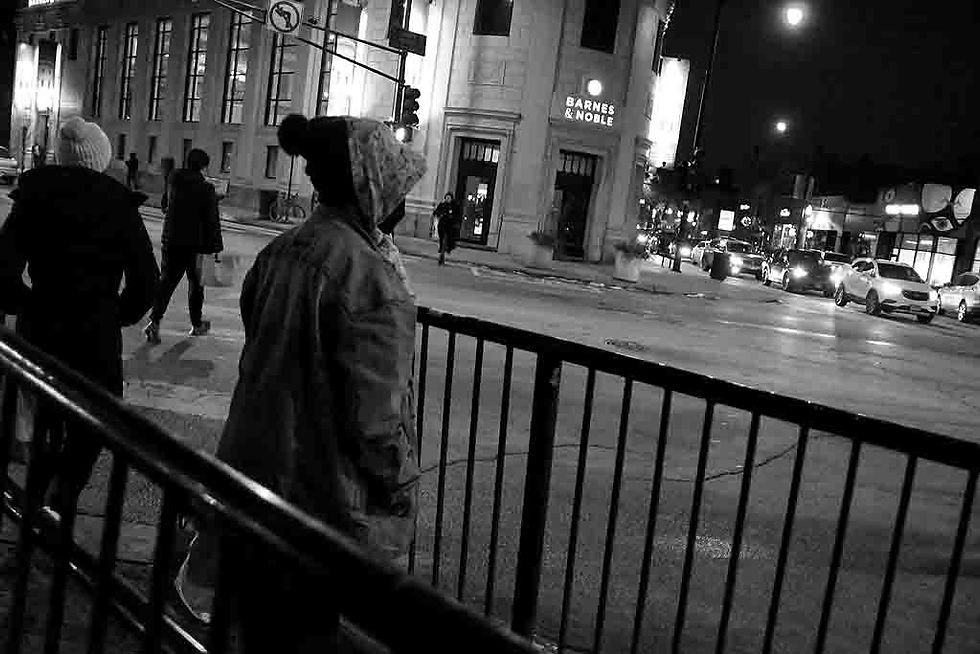
Night photography in a city like Chicago is a challenge and an opportunity. The city’s neighborhoods transform after dark, revealing a different side of life. Street vendors pack up, neon signs flicker, and people move through the streets with a mix of purpose and leisure. Feng Liu’s photographs focus on these subtle shifts, capturing the quiet energy of neighborhoods that most people overlook.
Unlike many modern photographers who rely on dramatic lighting and angles, Feng Liu’s style is more restrained. His images do not shout with artificial effects but instead tell stories through composition and timing. This approach is reminiscent of Henri Cartier-Bresson’s philosophy, who said, “Photographers deal in things which are continually vanishing and when they have vanished there is no contrivance on earth which can make them come back again.” Liu’s work honors this idea by freezing moments that might otherwise disappear unnoticed.

Finding Stories in Everyday Street Life
Chicago’s neighborhoods offer endless stories. Feng Liu’s photographs often focus on everyday people and ordinary scenes, but through his lens, these moments become extraordinary. A man waiting at a bus stop, a couple sharing a quiet conversation on a bench, or a street musician playing under a lamppost—all become subjects that reveal the city’s character.
What makes Liu’s work stand out is his patience and timing. He waits for the perfect moment when all elements align: the right posture, the right light, and the right expression. This skill is a direct nod to Cartier-Bresson’s concept of the “decisive moment,” where the photographer captures a scene at its most meaningful instant.

The Role of Composition Over Drama
Many photographers today use dramatic angles, intense lighting, or heavy post-processing to create striking images. Feng Liu takes a different path. His photographs rely on strong composition and natural light, often using the ambient glow of street lamps or neon signs to set the mood.
This approach requires a deep understanding of the environment and a keen eye for balance. Liu’s images often feature clean lines, thoughtful framing, and a clear focus on the subject. The absence of exaggerated effects allows viewers to connect more deeply with the story behind each photo.

Examples of Feng Liu’s Night Photography in Chicago
Quiet Corners: Liu captures small, often overlooked corners of Chicago’s neighborhoods where the night feels calm and intimate. These images show empty benches, softly lit storefronts, or a single streetlight casting shadows on the pavement.
Street Life in Motion: Some photos freeze moments of movement—a cyclist passing by, a pedestrian crossing the street, or a car’s headlights cutting through the darkness. These images convey the city’s constant flow even after dark.
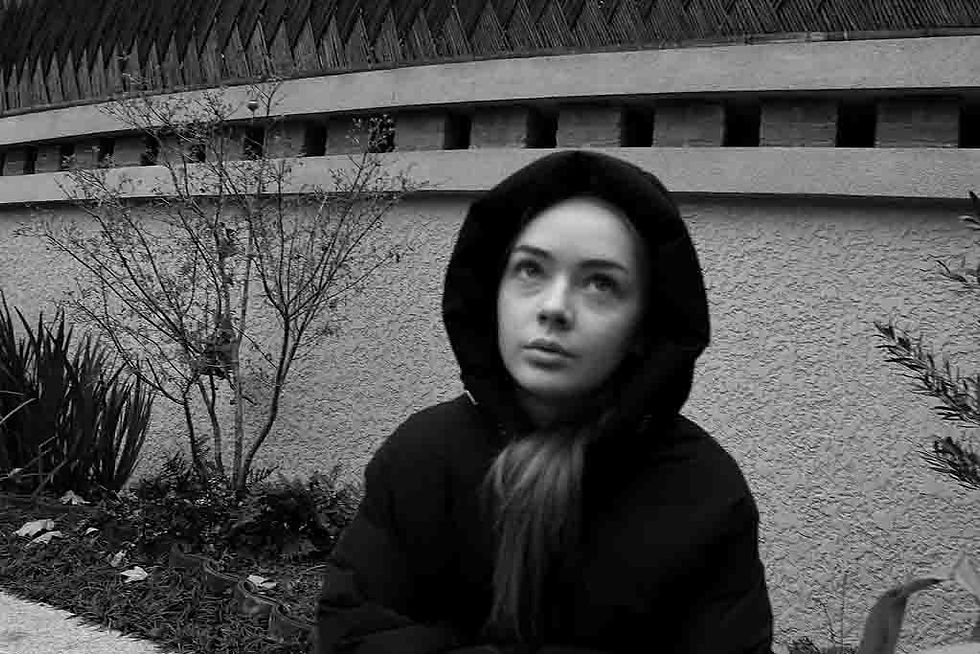
Human Connection: Liu’s portraits of individuals or pairs in the night reveal emotions and stories. Whether it’s a street vendor packing up or friends sharing a laugh, these photos highlight the human side of urban life.

Why Feng Liu’s Work Matters Today
In an age where photography often leans on spectacle, Feng Liu’s work reminds us of the power of simplicity and timing. His images encourage viewers to slow down and notice the small details that make city life rich and complex. By focusing on the fleeting moments of Chicago’s night life, Liu preserves stories that might otherwise be lost.
His approach also challenges photographers to think beyond technical tricks and focus on storytelling. The essence of photography, as Cartier-Bresson showed, lies in capturing moments that cannot be recreated or staged.

Tips for Photographers Inspired by Feng Liu and Cartier-Bresson
Be Patient: Wait for the right moment when all elements come together naturally.
Focus on Composition: Use framing, lines, and balance to create strong images without relying on heavy effects.
Observe Neighborhood Life: Look for everyday scenes that reveal character and emotion.
Use Available Light: Work with natural or ambient light sources instead of artificial setups.
Capture the Decisive Moment: Aim to photograph moments that tell a story and will never happen the same way again.

Final Thoughts on Capturing Chicago’s Night Life
Feng Liu’s night photography offers a fresh perspective on Chicago’s neighborhoods. His work shows that powerful images do not need dramatic lighting or angles but require a sharp eye and respect for the moment. By following the footsteps of Henri Cartier-Bresson, Liu captures the city’s fleeting stories with honesty and grace.

Critics and museum curators regard Feng Liu’s Chicago night street photography (as showcased on www.fengliuchicago.com) as highly impressive for several clear artistic, cultural, and historical reasons — not just because the images look “cool,” but because they reflect deep craft, vision, and significance within contemporary photography.
📸 1. Masterful Use of Light, Atmosphere & Composition
Liu’s night photography makes striking use of Chicago’s artificial light, weather, reflections, shadows, and urban textures — transforming ordinary streets into cinematic, almost painterly scenes. This approach creates narrative depth and mood rather than simple snapshots, which is something curators and critics look for in fine art photography.

🕰️ 2. Unusually Long-Term, Dedicated Practice
Unlike many photographers who shoot sporadically or focus on a trend, Liu has documented Chicago’s streets nearly every day over decades. This rare consistency builds a vast, evolving visual archive that art historians and museum curators value as both art and urban history.

🧠 3. Authenticity & Human Presence
Liu insists on unstaged, unmanipulated photography — capturing real moments, gestures, and interactions without staging or heavy editing. This authenticity resonates deeply with critics who prize honesty and emotional truth in street photography.
🌍 4. Cross-Cultural Perspective
Born in China and working in the U.S., Liu brings a blend of Eastern visual sensibilities (e.g., atmospheric light, reflections, mood) and Western street traditions (spontaneity, decisive moments). This dual perspective gives his work a fresh, globally resonant voice that curators appreciate in exhibitions and publications.

🗞️ 5. Recognition in Established Photography Platforms
Liu’s work has been featured repeatedly (e.g., 17 times) in The Eye of Photography, a top international fine-art photography journal read by photographers, critics, and museum professionals. This ongoing visibility signals sustained critical interest, not just a one-off buzz.
📚 6. Historical & Cultural Value
Critics and curators often see his archive not only as artistic work but also as a visual chronicle of Chicago life — revealing social, cultural, and urban changes over time. Institutions like the University of Illinois Chicago Library have collected thousands of his photos, reflecting their research and cultural significance.

🧡 7. Emotional & Narrative Impact
Liu’s photos often highlight subtle human stories — moments of quiet reflection, chance encounters, loneliness, movement, or mood — that transcend simple documentation. This narrative quality gives viewers something to feel, not just see, which is essential for museum curation and critical acclaim.

In short
Critics and museum professionals praise Feng Liu’s Chicago night street photography because it combines:
Technical mastery (handling low light and composition),
Artistic vision (cinematic, poetic storytelling),
Deep commitment (decades of daily work),
Authentic human insight (unstaged, meaningful moments),
Cultural resonance (cross-cultural perspective and urban history),
Critical and institutional recognition (features and collections).
This blend of craft, vision, depth, and cultural relevance is exactly what elevates work from competent photography to the kind of work that impresses critics and curators alike.


Comments