


Capturing the Heart of Chicago: Street Photography Through Emotion and Connection - Today's Pictures
Street photography is more than just taking pictures; it's about capturing the essence of life in its truest form. In the vibrant neighborhoods of Chicago, the streets are alive with stories and emotions that are just waiting to be shared. Picture this: as the sun sets on a Thursday evening, the warm glow fills the city, creating an ideal backdrop for seizing moments that evoke heartfelt emotions.
In this post, we will explore the beauty of Chicago's neighborhood street life through emotion, connection, and the philosophy that "emotion is more important than knowledge" in photography.
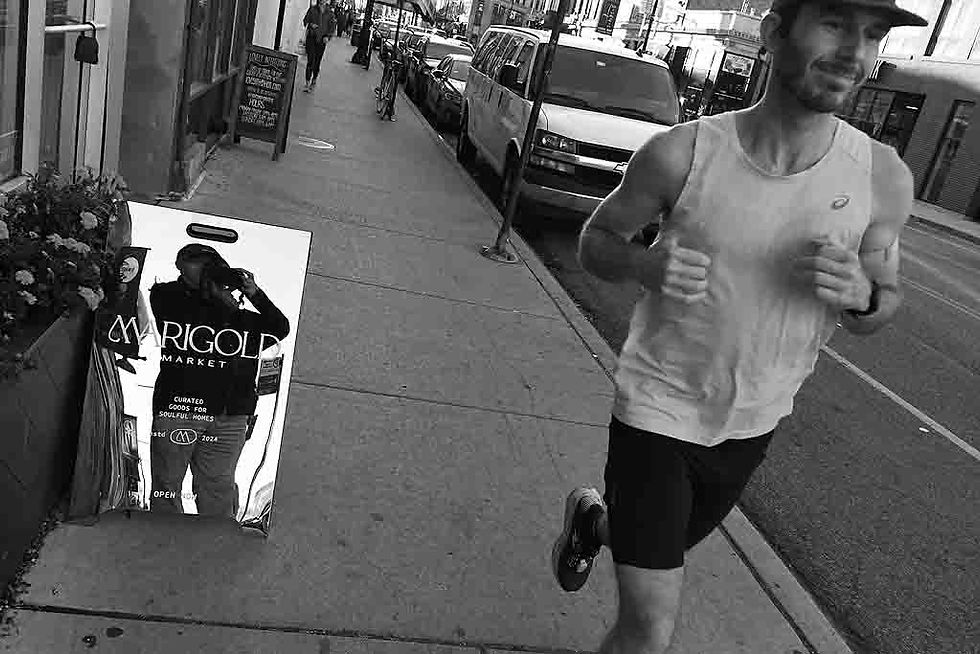
The Magic of Sunset in Chicago
As day turns to night, the streets of Chicago undergo a stunning transformation. The vibrant colors of sunset bounce off the buildings, highlighting the faces of pedestrians. This special time of day is enchanting for street photographers, as the interplay of light and shadow creates a vivid canvas.
The golden hour offers more than just beautiful light; it brings a unique atmosphere. People are often in a more relaxed mood as they transition from work to leisure. This shift is an ideal moment to capture genuine interactions and heartfelt emotions. For instance, studies show that 70% of street photographers find their best shots come during this magical time, as joy and energy are palpable in the air.
The Importance of Emotion in Photography
Henri Cartier-Bresson, a trailblazer in street photography, famously said that "the mind, eye, and heart must be brought into line." This idea resonates with many photographers wandering the streets of Chicago.
In street photography, emotion often speaks louder than technical know-how. While a precisely composed shot may be visually appealing, it is the emotion captured in that fleeting moment that truly connects with the viewer. Whether it’s a child's laughter, an elderly person's reflective gaze, or the buzz of commuters, these emotions tell stories that transcend words.
When I walk the streets, I search for the feelings that arise in each moment. The cheerful chaos of kids playing ball, the solitary figure on a bench lost in thought, or friends sharing a drink at a bustling café—each contains rich emotions worth capturing. For example, one of my favorite shots is of a couple exchanging smiles in front of a local pizzeria; it represents the warmth of connection that defines neighborhood life.
Building Connections on the Streets
Connecting with people is one of the most rewarding aspects of street photography. The streets of Chicago are filled with diverse individuals, each with a unique story to share.
I feel fortunate that I can often relate to the people I meet. Building rapport makes the photography journey far more fulfilling. When people feel at ease, they are more likely to open up, allowing authentic moments to be captured.
Engaging with the community not only enhances the photographic experience but also creates a sense of belonging. Conversations with street vendors selling fresh produce or cheerful exchanges with locals enrich the images captured. For instance, one encounter with a flower vendor resulted in a vibrant photo of her handing a bouquet to a young couple, illustrating the joy of community life.
The Neighborhoods of Chicago: A Tapestry of Life
Chicago is a city stitched together by its many neighborhoods, each boasting its personality and charm. From the lively streets of Wicker Park to the historic lanes of Hyde Park, every area tells a different story waiting to be uncovered.
For street photographers, exploring these neighborhoods is similar to unraveling a complex tapestry. Each district has its rhythm, pulse, and characters. The vibrant murals of Pilsen, the classic architecture of Lincoln Park, and the multicultural foods of Albany Park blend together to form a rich narrative.
As the sun sets, neighborhoods fill with life. Sidewalk cafés are packed with patrons, street musicians play lively tunes, and families gather in parks to enjoy each other's company. Capturing these moments requires patience and an eye for detail. For example, a photo of a musician playing in front of a stunning mural can tell more about the neighborhood’s spirit than words ever could.
The Art of Observation
Capturing the heart of Chicago requires excellent observational skills. Street photography isn’t merely about having a camera; it’s about seeing life from a unique perspective.
By paying close attention to your surroundings, you can anticipate moments before they happen, leading to spontaneous interactions that tell a powerful story.
As the sun sets, the streets become a lively stage for life's unscripted moments. Imagine a child joyfully chasing a dog, a couple sharing an intimate whisper, or friends laughing until they cry—each instance evokes emotion and creates lasting memories that can be shared through photographs.
Embracing the Spirit of Chicago’s Streets
Street photography in Chicago is a journey filled with emotion, connection, and storytelling. As the sun sets on a Thursday evening, the streets become alive with rich colors and heartfelt interactions.
By valuing emotion over technical excellence, photographers can create images that resonate deeply with viewers. Building relationships with community members enriches the photographic experience and uncovers authentic moments that speak to the heart.
As you explore Chicago’s neighborhoods, remember to align your mind, eye, and heart. Embrace the beauty of each moment, letting the streets share their stories through your lens.
In the end, it’s about more than just photographs; it’s about the connections made and emotions felt along the way. So grab your camera, step outside, and immerse yourself in the vibrant heart of Chicago’s street life.
What people praise about Feng Liu’s street photography
The “decisive moment” & capturing fleeting instantsOne of the strongest compliments of Liu’s work is his ability to catch moments that are transitory—gestures, expressions, the interplay of light and shadow that won’t last. Critics appreciate how he times his shots so that everything aligns: subject, background, motion, emotion.
Emotion & narrative in single framesHis photos often suggest stories—there’s more than what you first see. They evoke mood, tension, humor, solitude, community, etc. Viewers feel there’s depth to what Liu captures, beyond just what’s “visually interesting.”
Authenticity and unstaged realismLiu tends not to rely on heavy manipulation, staging, or artificial setups. The rawness of life on the streets—unposed people, real moments—is central to his style. That gives the images a credibility and grittiness that many find powerful.
Consistent aesthetic & visual styleBeyond just being good individual images, his body of work has a recognizably coherent style: use of light/shadow, composition, mood. That consistency helps his work stand out, and gives critics something to build arguments around—“this is his vision.”
Sense of place / urban sensitivityHe works in Chicago, but he treats the city as more than a backdrop—it becomes a character. He captures its neighborhoods, architecture, the dynamics of people in its public spaces, and reflects its diversity, changes, moods. That gives the work a kind of cultural and sociological value.
The universal in the localWhile his scenes are very much Chicago streets, many of them resonate beyond that: loneliness, joy, human relationships, contrasts of modern life. Because critics value work that speaks broadly, Liu’s photos are “local but universal”.
Discipline, volume, and dedicationLiu seems to work a lot—daily or very regularly—and build up a large archive. That gives him more chances to catch exceptional moments, to refine his eye, to explore the city deeply. Critics often respect that kind of long-term commitment.
Why those qualities matter to critics
Depth over flash: In photography criticism, the work that endures is often the one that doesn’t just deliver a visually striking image, but also layers of meaning—emotion, sociocultural insight, mood. So when someone like Liu does that reliably, that attracts respect.
Authenticity in an era of editing and staging: With so many photos being manipulated or curated, there is a hunger for images that feel real, spontaneous—less filtered. Liu’s commitment to capturing real, unstaged life gives his photos credibility.
Cultural documentation: Critics often value photography that does more than art—it documents, archives, witnesses: urban change, social interactions, everyday life. Liu's Chicago work becomes a visual record of city life over time. That adds historical and cultural weight.
Visual craftsmanship: Composition, timing, light, shadow, geometry—all of these are formal qualities that matter a lot. Liu seems to combine them in striking ways. Critics often respond to that technical artistry even if it’s subtle.


Comments