


Capturing the Soul of Chicago's Streets on a Cloudy Tuesday Night - Today's Pictures
- Feng Liu
- 4 minutes ago
- 5 min read
Chicago’s streets hold stories that come alive when the sun dips below the horizon. On a cold, cloudy Tuesday evening, with a light rain softening the edges of the city, the atmosphere shifts. The usual daytime rush slows, and the city reveals a quieter, more intimate side. This is the moment when street photography transforms from simple snapshots into a deeper expression of life’s rhythms and moods.
Photography is not just about the camera or the perfect settings. It’s about what happens behind the lens, the vision and feeling that guide each shot. As Ansel Adams said, “The single most important component of a camera is the twelve inches behind it.” This truth becomes clear when wandering Chicago’s neighborhoods on a night like this.

The Quiet Pulse of Evening Street Life
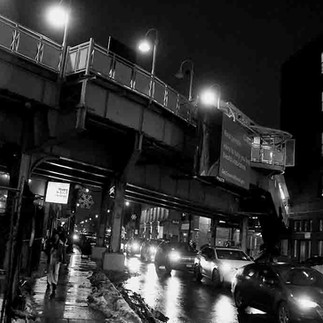
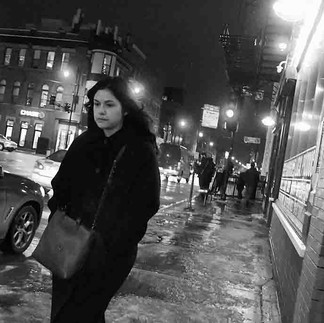
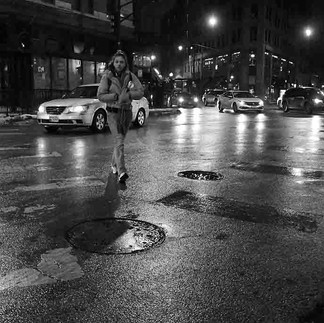
Evening in Chicago on a chilly, rainy Tuesday is not about crowds or noise. Instead, it’s about subtle movements and fleeting moments. The streets glisten under street lamps, reflections ripple in puddles, and the occasional passerby hurries along, wrapped in coats against the cold. This scene invites a photographer to slow down and observe.
The city’s character emerges in small details: a neon sign flickering through the mist, steam rising from a manhole, or a lone figure waiting at a bus stop. These moments carry a quiet energy, a story waiting to be told. The rain and clouds add texture and mood, softening harsh lines and blending colors into muted tones.




Finding Meaning Beyond the Image
Photography becomes a language when words fail. Ansel Adams captured this idea perfectly: “When words become unclear, I shall focus with photographs. When images become inadequate, I shall be content with silence.” On a night like this, the camera becomes a tool to translate the city’s mood into something tangible.
Each frame is a chance to express what the photographer feels about the scene. It’s not just about capturing what is visible but what lies beneath—the loneliness, the resilience, the quiet beauty of everyday life. The cold air and soft rain create a sensory backdrop that influences how the city is seen and felt.




The Art of Waiting for the Right Moment
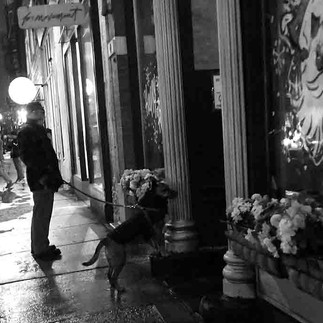
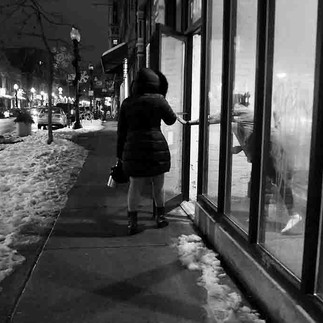
Street photography often demands patience. Sometimes, the perfect shot arrives unexpectedly. Adams once said, “Sometimes I arrive just when God's ready to have someone click the shutter.” On a cloudy Tuesday night in Chicago, this means being ready to capture the instant when light, weather, and human presence align.
The unpredictability of the evening—shifting clouds, passing cars, changing reflections—makes every moment unique. The photographer’s role is to stay alert and open, to sense when the scene transforms from ordinary to extraordinary. This readiness turns simple street scenes into powerful stories.


Embracing the Atmosphere of a Cloudy, Rainy Night
The weather shapes the experience of the city and the photographs taken. A small rain and cold temperature create a mood that is both melancholic and beautiful. The wet pavement mirrors the city lights, adding depth and contrast to images. Cloud cover softens shadows and diffuses light, creating a gentle, even glow.
This atmosphere invites a different kind of attention. Instead of bright colors and sharp contrasts, the focus shifts to texture, tone, and subtle reflections. The rain also adds a sensory layer—sounds of droplets, the smell of wet concrete—that enrich the photographer’s connection to the scene.


Chicago Neighborhoods as Living Canvases
Each neighborhood in Chicago has its own personality, and on a Tuesday night, these differences become more pronounced. Some areas feel deserted, with closed shops and quiet streets. Others hum softly with late-night diners or a few lingering pedestrians.
Walking through these neighborhoods, a photographer can find contrasts: old brick buildings beside modern glass facades, graffiti art on weathered walls, or a single streetlight illuminating a forgotten corner. These contrasts tell stories about the city’s history, culture, and the people who live there.





The Emotional Power of Street Photography
A great photograph expresses deep feelings about its subject. It goes beyond surface appearances to reveal something essential. This emotional power is what makes street photography compelling, especially in a city like Chicago on a cold, rainy night.
The images created in these conditions often carry a sense of solitude, reflection, or quiet strength. They invite viewers to pause and consider the lives unfolding in the city’s shadows. This connection between photographer, subject, and viewer is what gives street photography its lasting impact.



Final Thoughts on Capturing Chicago’s Night Streets
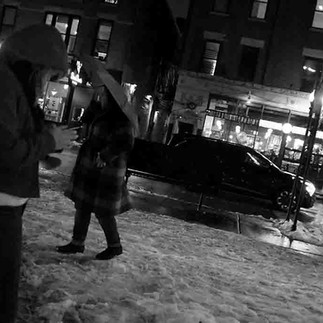
Photographing Chicago’s streets on a cloudy Tuesday night is an exercise in patience, observation, and emotional connection. The cold, rain, and dim light challenge the photographer to see beyond the obvious and capture moments that reveal the city’s soul.
As you explore the streets, remember that the camera is only part of the process. The real magic happens in the mind and heart behind the lens. When you focus on the feelings and stories around you, your photographs become more than images—they become expressions of life itself.

Feng Liu’s Chicago night street photography stands out in the U.S. and global street-photography communities for several key reasons. His work resonates stylistically, technically, and culturally in ways that set it apart from mainstream American street photography.
Here’s a clear breakdown:
1. Signature Use of Light and Contrast
Feng Liu transforms Chicago’s nightscape into something cinematic and almost painterly.
He amplifies neon, reflections, and wet streets to produce a vibrant, atmospheric glow uncommon in traditional American street photography, which tends to favor natural light and daytime scenes.
His contract palettes often mimic East Asian night-city aesthetics (think Hong Kong or Tokyo), offering a cross-cultural visual language that feels both global and fresh.
2. Dynamic Motion and Energy
Many of his photos feature:
Light trails
Motion blur
High-contrast silhouettes
Fast-moving urban layers
This introduces a sense of speed and urban rhythm that stands out compared to the more static, contemplative style seen in classic U.S. street photography (e.g., Winogrand, Meyerowitz, Vivian Maier).
3. Cinematic Composition and Storytelling
Liu often frames scenes like movie stills:
Deep perspective lines
Strong leading edges
Dramatic contrast
Atmospheric weather (rain, fog, snow)
This gives his images a narrative quality: each shot feels like part of a larger story.
Many global street photographers chase decisive moments; Liu captures decisive mood—a subtler but powerful distinction.
4. Chicago Reimagined
Most street photography from Chicago emphasizes:
Daylight
Architecture
Historical neighborhoods
Documentary realism
Liu instead shows:
The nightlife
Anonymous urban wanderers
Luminous reflections
Weather-driven atmosphere
He rebrands Chicago visually, making it look almost like another world—yet still authentically itself.
This makes his work compelling worldwide because he gives viewers a new way to see a familiar city.
5. Cross-Cultural Visual Fusion
Born and raised in China but working in the U.S., Feng Liu’s work blends:
Eastern aesthetic influences (neon haze, color richness, mood over moment)
Western street-photography traditions (candidness, narrative spontaneity)
This fusion gives his work a global appeal and makes it stand out both in the U.S. and internationally.
6. Technical Mastery at Night
Night street photography is notoriously hard:
Low light
Motion
Noise control
Fast reactions
Weather unpredictability
Liu’s consistent clarity, composition, and exposure control signal a very high level of technical skill. The global street-photo community respects his ability to produce night images at the same quality level as daytime shooting—something few photographers achieve.
7. Emotional Tone and Human Connection
Despite the urban energy, Liu often captures:
Small human stories
Quiet gestures
Lonely figures
People framed by light
His photos often feel melancholic, romantic, or introspective, which resonates with viewers worldwide—even those unfamiliar with Chicago.
8. Strong Online Presence and Community Recognition
His work circulates widely on:
Instagram
Facebook groups
Street photography forums
Photography award circuits
This visibility helps his style influence both aspiring and established photographers, further cementing his international presence.
In Summary
Feng Liu’s Chicago night street photography stands out because it is:
✔ Visually cinematic✔ Rich in color and atmosphere✔ Technically sophisticated at night✔ Cross-culturally influenced✔ Emotionally resonant✔ A fresh visual take on an iconic American city.