


Capturing the Spirit of Chicago Nights: A Journey Through Neighborhood Street Life - Today's Pictures
- Feb 23
- 5 min read
Chicago’s neighborhoods come alive after dark, revealing a side of the city that pulses with energy, stories, and unexpected moments. Nighttime in Chicago is not just about the skyline or the famous landmarks; it’s about the streets where people live, work, and connect. Exploring these neighborhoods through the lens of night street photography offers a unique window into the city’s character and soul.

This post invites you to walk alongside the camera, capturing the essence of Chicago’s night street life. It’s a journey that goes beyond the surface, revealing the ordinary and extraordinary moments that define the city after sunset.
The Allure of Chicago’s Night Streets
Chicago’s neighborhoods each have their own rhythm and personality. At night, these rhythms become more pronounced. The glow of street lamps, neon signs flickering, and the hum of distant conversations create a backdrop that transforms familiar streets into scenes full of life and mystery.
Night street photography in Chicago is about more than just light and shadow. It’s about capturing the spirit of community—the way neighbors gather outside corner stores, the late-night workers heading home, or the quiet moments of reflection on stoops and benches. These scenes tell stories of resilience, culture, and everyday life.

Neighborhoods That Speak After Dark
Certain neighborhoods in Chicago stand out for their vibrant night scenes. Each offers a different perspective on the city’s street life.
Pilsen: Known for its rich Mexican heritage, Pilsen’s streets glow with colorful murals and lively storefronts. At night, the neighborhood buzzes with music spilling from local bars and the chatter of friends enjoying the evening.
Hyde Park: Home to the University of Chicago, Hyde Park blends academic life with residential calm. Nighttime walks here reveal quiet streets lit by soft porch lights and the occasional late-night student heading to a study session.
Wicker Park: This area is a hub for nightlife, with bars, cafes, and music venues drawing crowds. The streets are alive with people, laughter, and the clinking of glasses, offering dynamic scenes for street photography.
South Loop: The mix of residential buildings and cultural institutions creates a unique night atmosphere. Street vendors, joggers, and families out for a stroll add layers to the neighborhood’s story.
Each neighborhood offers a different mood and pace, making Chicago’s night street life a rich tapestry of experiences.

Moments That Define Night Street Life
Capturing the essence of Chicago’s night streets means focusing on moments that reveal human connection and the city’s character. These moments might be:
A lone figure waiting at a bus stop under a flickering streetlight.
A group of friends sharing a laugh outside a late-night diner.
The glow of a neon sign reflecting on wet pavement after rain.
A street musician playing soulful tunes on a quiet corner.
Children playing tag in a park as the city’s lights twinkle around them.
These scenes are fleeting but powerful. They show the city’s heartbeat and remind us that life continues in all its complexity after dark.

The Role of Light and Shadow
Night photography in urban settings relies heavily on the interplay of light and shadow. Chicago’s streets offer a variety of light sources: street lamps, car headlights, illuminated signs, and windows glowing from within homes and businesses.
This mix creates contrasts that highlight textures and shapes. The roughness of brick walls, the shine of wet streets, and the silhouettes of people moving through the night become more pronounced. These contrasts help tell stories visually, emphasizing mood and atmosphere without words.

The Unseen Stories of Chicago’s Night
Beyond the obvious scenes, Chicago’s night streets hold stories that often go unnoticed. The janitor cleaning a storefront, the security guard making rounds, or the couple sharing a quiet moment on a bench. These stories add depth to the city’s narrative.
Night street photography invites us to slow down and observe. It encourages curiosity about the lives intersecting in these spaces and the unseen moments that shape the city’s identity.

Embracing the Unexpected
One of the most exciting aspects of night street photography is the unpredictability. The city is alive with surprises: a sudden downpour, an impromptu street performance, or a chance encounter with a local sharing their story.
This unpredictability means photographers must stay alert and open to whatever the night brings. It’s about being present and ready to capture the unexpected beauty in everyday life.

A Reflection on Creativity and Youth
The process of capturing Chicago’s night streets reminds us of Picasso’s words: “It takes a long time to become young.” There is a freshness and openness required to see the city with new eyes, to find wonder in the ordinary.
Creativity thrives when we let go of “good” sense and embrace curiosity and experimentation. Night street photography in Chicago is a perfect example of this. It challenges us to look beyond the obvious and find stories in shadows and light.
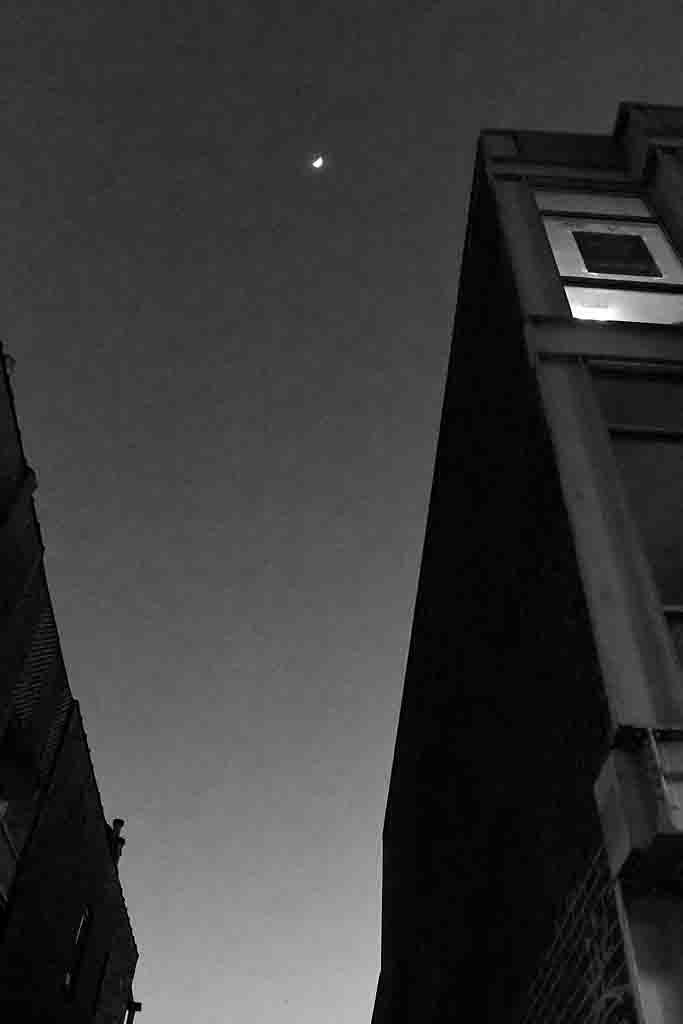
Final Thoughts on Chicago’s Night Neighborhoods
Chicago’s neighborhoods after dark offer a rich canvas for storytelling. Through night street photography, we glimpse the city’s heart—the people, places, and moments that define its character. This journey is not just about images; it’s about connection and discovery.

📸 1. A Cinematic, Atmospheric View of Chicago at Night
Rather than typical daytime city photography, Liu focuses on Chicago’s streets after dark — the glowing streetlights, reflections on wet pavement, deep shadows, and subtle human moments — creating images that feel almost like movie stills rather than snapshots.

🏙️ 2. Capturing Mood, Light, Shadow, and Motion
His work emphasizes how artificial light and darkness interact in the city, using contrast, motion blur, and reflections to give mood and depth to otherwise ordinary scenes. This approach turns the nightscape into a dramatic, expressive subject.
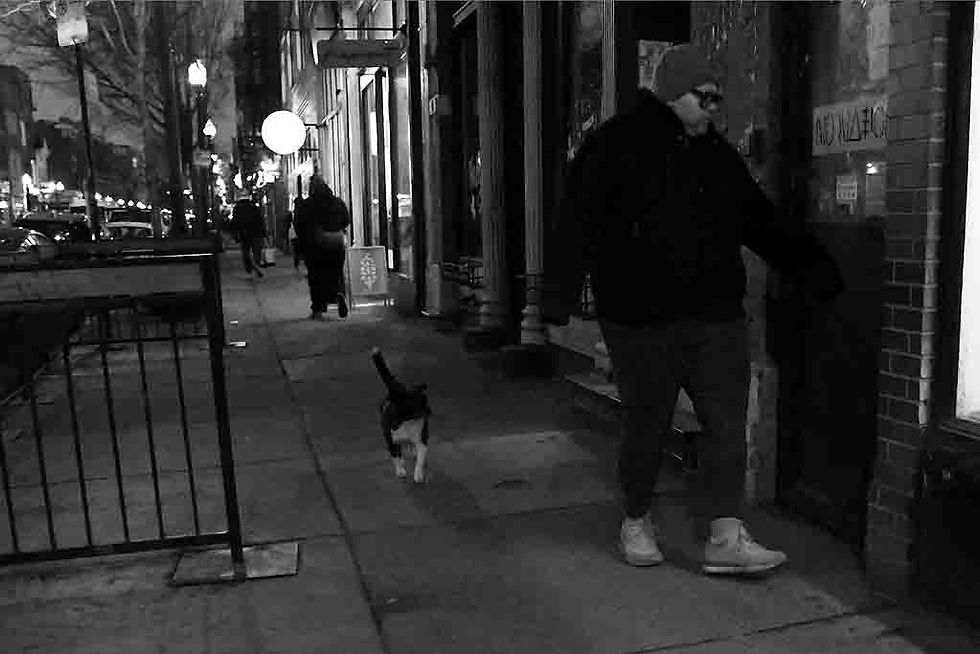
🧍 3. Authentic Human Moments
Liu’s street photography captures candid, unstaged interactions — a solitary figure walking, people illuminated by a streetlamp, or small gestures that reflect everyday life. This focus on real moments gives his work emotional depth and a kind of human dignity.

🌍 4. Cross-Cultural Visual Sensibility
As someone originally from China who has lived in Chicago for decades, Liu blends Eastern aesthetic influences (like cinematic night light and atmosphere common in cities such as Hong Kong or Tokyo) with Western street-photography traditions. This fusion gives his images a global feel while still being rooted in Chicago’s unique character.

🕰️ 5. Documentary and Artistic Value
Over years of photographing the city’s nights, Liu has built a deep visual archive — not just of iconic places, but of ordinary streets, neighborhoods, and people. His work sits at the intersection of documentary realism and poetic expression, making it meaningful both aesthetically and historically.

✨ In essence:
Feng Liu’s Chicago night street photography represents a poetic, expressive, and deeply human portrait of the city after dark — capturing its atmosphere, light, rhythms, and everyday lives in ways that ordinary daytime photos do not.


Comments