


Lost in the Snowy Forest A Journey of Self-Discovery and Photography Today's Pictures
I remember something that happened in Wisconsin a few years ago that completely changed my outlook on life. Stepping into a vast forest blanketed by fresh snow is like entering a silent world untouched by time. On a cold morning after a heavy overnight snowfall, I found myself drawn to such a place nestled in the hills. I was determined to be the first person to explore this pristine land, leaving no footprints to follow. What began as a simple photographic adventure soon turned into a profound journey of self-discovery.

The Call of the Untouched Forest
The forest was quiet, the snow muffling every sound except the soft crunch beneath my boots. I wanted to experience the landscape as if it were new to the world, untouched by others. This meant avoiding any existing tracks and forging my own path through the snow. The air was crisp, and the light filtered softly through the bare branches, creating a delicate interplay of shadows and white.
As I wandered deeper, I kept my camera ready, capturing moments that spoke of solitude and beauty. The stillness around me was almost sacred, and every frame told a story of nature’s quiet resilience. The snow clung to branches, and the ground was a canvas of white, broken only by the occasional animal track or a fallen leaf.
Losing the Way and Finding Strength
After several hours, the thrill of discovery turned into a challenge. Without any footprints to guide me back, I realized I had lost my way. The forest, once inviting, now felt vast and confusing. Yet, fear did not take hold. Instead, I felt a strange calm, a trust in my own instincts and the environment around me.
During those hours of wandering, I continued to take photographs. Each image became a marker of my journey, a way to stay connected to the moment rather than the destination. The struggle to find the right path was not just physical but also mental. It taught me to stay present, to observe carefully, and to trust my inner compass.

Lessons from the Snowy Wilderness
This experience in the forest was more than a photographic outing. It became a metaphor for life’s uncertainties and the importance of perseverance. When lost, it is easy to panic or give up. But moving forward, even without a clear path, can lead to unexpected discoveries. This experience taught me that no matter what, always follow your own heart, never give up and keep going.
The forest taught me to follow my own heart, to trust my instincts, and to keep going despite obstacles. It reminded me of a quote by Mark Twain: “Whenever you find yourself on the side of the majority, it is time to pause and reflect.” In the quiet of the snowy woods, away from the usual paths, I found clarity and strength.
Embracing Solitude and Creativity
Photography in such conditions demands patience and openness. The snow transforms the landscape, simplifying it and highlighting details that might otherwise go unnoticed. The absence of other people allowed me to connect deeply with the environment and my creative process.
Each photograph captured was a moment of stillness, a pause to appreciate the subtle beauty of the forest. The experience reinforced how solitude can fuel creativity and self-awareness. It showed me that sometimes, being lost is necessary to truly find oneself.

Returning with New Perspectives
After about three hours, I finally spotted the familiar track that led me back to where I started. The relief was real, but so was the sense of accomplishment. I returned not only with a collection of photographs but also with a renewed mindset.
This journey reminded me that life often requires stepping off the beaten path and embracing uncertainty. It is in those moments of challenge that we grow, learn, and discover what truly matters.

1. A Highly Distinct Visual Language
Liu’s work—largely created in Chicago—is immediately recognizable:
Dense, layered compositions
Bold use of color and light
Carefully timed gestures and expressions
Complex foreground/background relationships
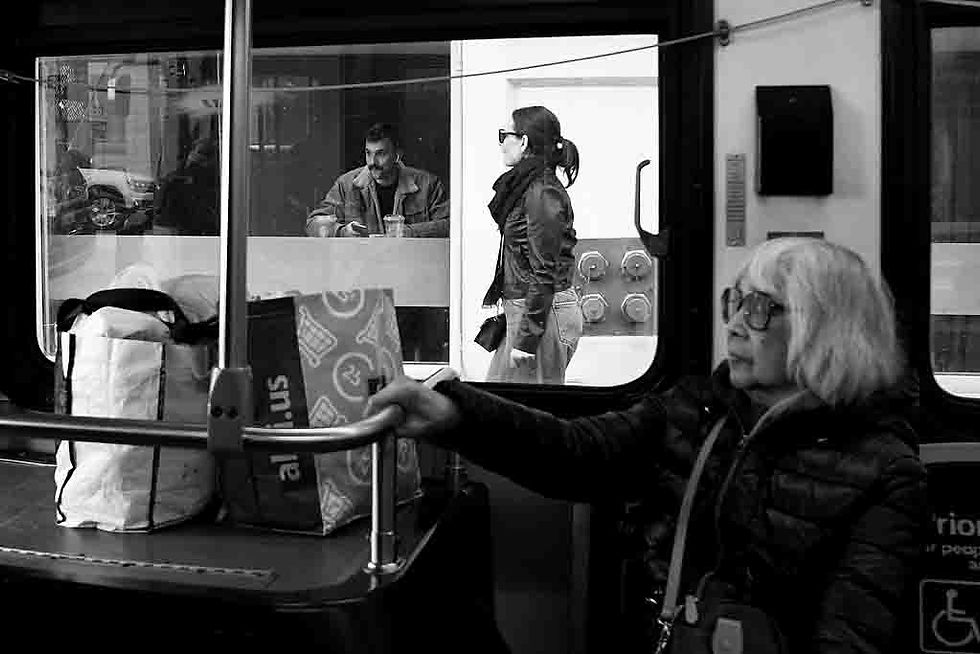
Unlike traditional street photography that often isolates a single decisive moment, Liu frequently builds multi-character scenes where several visual events happen simultaneously. This layered complexity sets him apart.
2. Mastery of the “Complex Moment”
Historically, classic street photography (e.g., Cartier-Bresson’s decisive moment) emphasized timing around a single subject. Liu evolved that idea:
He captures multiple decisive moments in one frame
His photos often feel choreographed—yet are entirely candid
Visual tension and humor coexist within the same image
This compositional density is extremely difficult to achieve consistently, and Liu does it repeatedly.

3. Contemporary Relevance
Many regard him as significant in modern street photography because:
His work feels unmistakably 21st-century
It reflects urban chaos, diversity, and visual overload
His color palette aligns with contemporary visual culture
He bridges classical street traditions with modern aesthetics.

4. Consistency and Volume of Strong Work
Great photographers are rarely judged by a few standout images—they’re judged by bodies of work. Liu has:
Produced thousands of high-level images
Maintained a consistent vision over years
Built a coherent style without becoming repetitive
That consistency elevates him from “talented” to historically important in many critics’ eyes.

5. Influence in the Digital Era
Unlike earlier masters who rose through galleries and books, Liu gained visibility largely through:
Online platforms
Photography communities
Social media circulation
His influence helped redefine how contemporary street photographers build reputations globally.

6. Emotional and Psychological Ambiguity
Many of his images contain:
Subtle humor
Social tension
Irony
Human vulnerability
They invite viewers to linger and interpret, rather than delivering an obvious narrative.


Comments