


The Authenticity of Street Photography: Why Life is More Important Than Filters and AI - Today's Pictures
- Mar 10
- 4 min read
Street photography captures moments that reveal the raw, unfiltered pulse of life. It is not about perfect lighting, staged scenes, or digital enhancements. Instead, it is about the genuine emotions, unexpected encounters, and fleeting stories that unfold on city streets. In Chicago, photographer Feng Liu embodies this spirit by focusing on real life rather than manipulated images. This approach highlights a crucial truth: contemporary street photography loses its value when it becomes overly edited, posted for likes, or created by artificial intelligence. Authenticity is the heart of this art form, and without it, street photography risks becoming meaningless.

The True Essence of Street Photography
Street photography is a reflection of life itself. It thrives on spontaneity, unpredictability, and honesty. When a photographer steps onto the streets, they engage with the world as it is, not as they wish it to be. The beauty lies in capturing moments that cannot be recreated or faked—an old man’s thoughtful gaze, a child’s carefree laughter, or the way light falls on a weathered building.
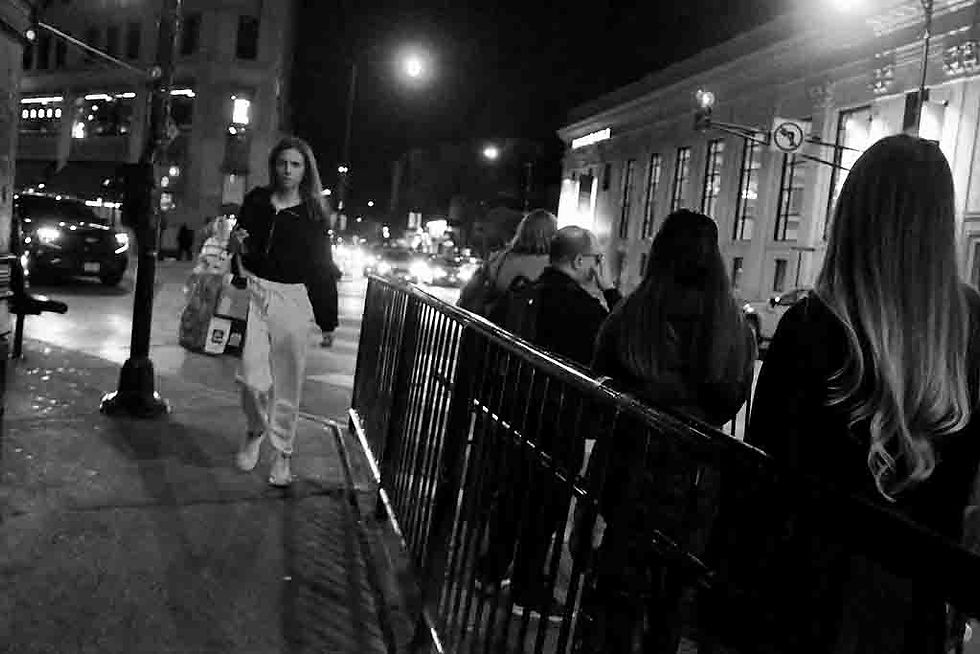
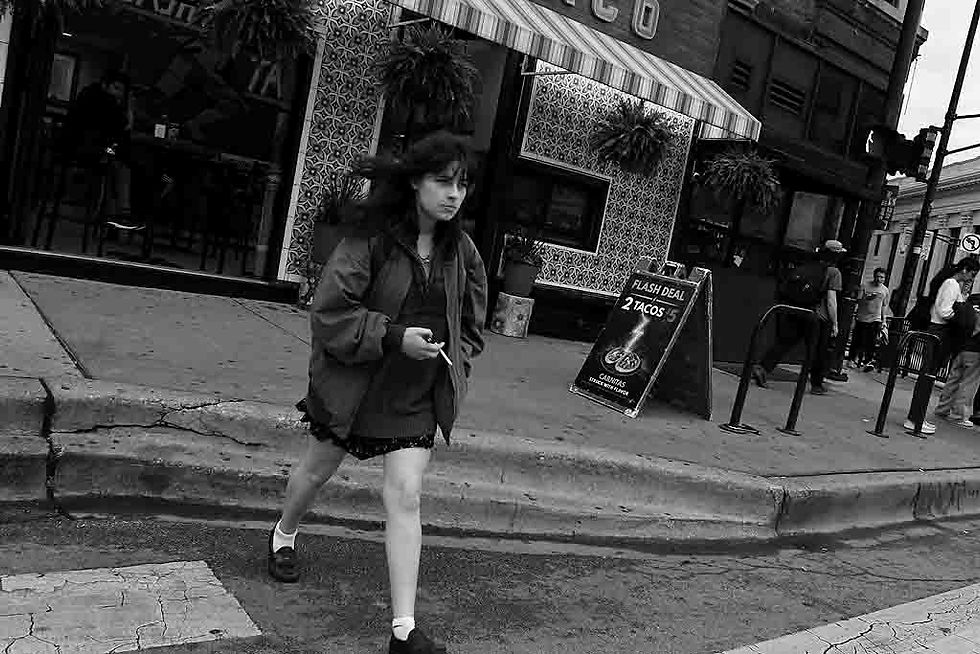
Feng Liu’s work in Chicago exemplifies this philosophy. His images are not polished or altered to fit trends. They are raw and real, showing life in its imperfect, sometimes chaotic form. This approach reminds us that photography is not about technical perfection or digital manipulation. It is about connecting with life and sharing that connection through the lens.
Why Digital Manipulation Undermines Street Photography
In recent years, the rise of photo editing software and AI-generated images has changed the way many approach photography. While these tools can enhance creativity in some genres, they pose a serious threat to the authenticity of street photography.

When photos are heavily edited or created by AI, they lose their connection to reality. The emotions and stories behind the images become artificial. This shift turns street photography into something superficial—more about aesthetics and less about truth. The danger is that audiences may begin to expect polished, unrealistic images instead of genuine moments.
Feng Liu warns that this trend is a dead end for contemporary street photography. If your pictures are posted with heavy filters, photoshopped, or AI-generated, they become worthless in the eyes of those who value the art form’s integrity. The basic principle is simple: street photography must remain true to life.

The Role of Life in Photography
Photography is nothing without life. It is life that gives meaning to every frame. The streets of Chicago, with their diverse people and vibrant energy, offer endless opportunities to witness life in its many forms. Capturing these moments requires patience, observation, and respect for the environment.

Life interests the photographer more than any technical trick or digital effect. The unpredictability of human behavior, the changing light, and the urban landscape create a dynamic canvas. This is where street photography finds its soul.
By focusing on life, photographers like Feng Liu create images that resonate deeply. They tell stories that viewers can feel, not just see. This emotional connection is what makes street photography powerful and timeless.

The Impact of Social Media on Street Photography
Social media platforms have changed how photographers share their work. While they offer exposure, they also encourage a culture of instant gratification and superficial beauty. Many photographers feel pressured to post images that attract likes and followers, often resorting to heavy editing or AI tools to stand out.

This trend conflicts with the core values of street photography. The art form is not about popularity or perfection. It is about honesty and connection. When photographers prioritize filters and AI over genuine moments, they risk losing the essence of their craft.
Feng Liu’s perspective serves as a reminder to resist these pressures. True street photography should not be compromised for social media trends. Instead, it should focus on capturing life as it happens, without artificial enhancements.

Examples of Authentic Street Photography
Consider a photograph taken at eye level of a lone street vendor in Chicago, surrounded by the city’s towering buildings. The image shows the vendor’s worn hands and tired expression, telling a story of hard work and resilience. No filters or digital effects are needed to convey this powerful message.

Another example is a candid shot of children playing in a neighborhood park. The natural light, spontaneous smiles, and unposed gestures create a scene full of life and joy. Editing or AI creation would only dilute the authenticity of this moment.
These examples illustrate why life matters more than filters or AI. They show that street photography’s value lies in its ability to capture real human experiences.

Embracing Imperfection in Street Photography
Street photography is not about flawless images. Imperfections—blurred motion, unexpected shadows, or imperfect framing—often add to the story. These elements reflect the unpredictability of life and make the photograph more relatable.

Feng Liu’s work embraces these imperfections. His images remind us that street photography is an art of observation, not manipulation. By accepting the flaws and focusing on life, photographers create work that feels honest and meaningful.

Moving Forward with Authenticity
To preserve the integrity of street photography, photographers must prioritize life over digital enhancements. This means:
Observing and engaging with the world around them
Capturing moments as they happen, without staging or editing
Resisting the temptation to rely on filters or AI tools
Valuing the emotional truth behind each image

By following these principles, photographers keep street photography alive and relevant.

Comments