Photography often gets framed as a quest for fame or approval. But for some, it is simply a way to feel alive. This is true for those who wander Chicago’s streets at night, camera in hand, not chasing trends or likes but chasing a feeling. The click of the shutter is not about impressing others; it is about a personal connection to the moment. This post explores the pure joy found in night street photography in Chicago, where the city’s lights and shadows become a playground for those who shoot for themselves.

The Personal Nature of Night Photography
Night photography in a city like Chicago is a unique experience. The streets transform after dark, revealing a different side of urban life. For some photographers, this transformation is not about capturing what others want to see. It is about capturing what they feel. The pleasure comes from the act itself: the anticipation before pressing the shutter, the surprise of what the frame holds, and the quiet satisfaction afterward.

This approach to photography is deeply personal. It is not about becoming famous or creating images that please a crowd. Instead, it is about honoring one’s own vision and talent. The photographer’s goal is simple: to do what they love and to feel good doing it. This mindset frees the artist from external pressures and allows creativity to flow naturally.

Chicago’s Night Streets as a Canvas
Chicago’s night streets offer endless inspiration. The city’s architecture, neon signs, reflections on wet pavement, and the occasional passerby all contribute to a rich visual environment. Each street corner can tell a story, but the photographer chooses which story to tell based on their own feelings and instincts.

The city’s energy at night is different from the daytime rush. It is quieter, more mysterious, and sometimes even lonely. This atmosphere invites photographers to slow down and observe details others might miss. The glow of street lamps, the flicker of a distant billboard, or the silhouette of a lone figure can become the subject of a photograph that speaks to the photographer’s inner world.
Photography as a Lifelong Passion
For many who take to the streets with a camera, photography is more than a hobby. It is a part of life. The joy of clicking the shutter is a moment of pure happiness. It is a way to connect with the world and with oneself. This connection does not depend on recognition or approval from others.

The photographer’s attitude is clear: they do not seek to make others happy with their pictures. Instead, they focus on their own satisfaction and growth. This honesty in purpose often leads to more authentic and meaningful images. When the photographer is true to themselves, the work reflects that truth.

Embracing Individuality in Art
Art is subjective. What one person loves, another might not. This is especially true in street photography, where style and perspective vary widely. The photographer who embraces their own vision understands that not everyone will like their work, and that is okay.

This acceptance of differing opinions is liberating. It allows the artist to take risks, experiment, and develop a unique voice. The goal is not to please the masses but to express something real and personal. This approach can lead to a deeper sense of fulfillment and a stronger connection to the craft.

The Joy of the Moment
At the heart of night street photography in Chicago is the joy found in the moment of creation. The click of the shutter is a small but powerful act. It captures a fragment of time, a feeling, a scene that might never come again.

This joy is not about the final image alone. It is about the entire process: walking the streets, noticing details, framing a shot, and pressing the button. Each step is a source of pleasure and discovery. The photographer’s happiness comes from doing what they love, regardless of outside opinions.

Living Photography as a Way of Life
For those who find joy in night street photography, it becomes more than a pastime. It becomes a way of life. The camera is a companion on nightly walks through Chicago’s neighborhoods. The city’s lights and shadows become familiar friends.

This lifestyle is about embracing passion without conditions. It is about valuing personal satisfaction over external validation. The photographer’s journey is one of self-expression, talent, and love for the craft. Whether others appreciate the images or not does not change the photographer’s commitment to their art.

Chicago’s streets transform after dark. The city’s character shifts, revealing a side that daytime scenes rarely show. Night street photography in Chicago offers a unique window into this transformation. It captures the city’s energy, its contrasts, and its soul in ways that daylight cannot. This form of photography is challenging but rewarding, especially when it comes to a city as dynamic and complex as Chicago.

The Unique Character of Chicago at Night
Chicago’s identity is deeply tied to its architecture, culture, and vibrant neighborhoods. At night, these elements take on new life. The glow of streetlights, neon signs, and illuminated skyscrapers creates a palette of colors and shadows that define the city’s nighttime personality.

Unlike many other cities, Chicago’s night streets are not just about bright lights and nightlife. They tell stories of history, resilience, and everyday life. From the quiet residential blocks to the lively downtown areas, night photography reveals the layers of Chicago’s character.

Why Night Street Photography Works So Well in Chicago
Night street photography is special for Chicago because it captures contrasts that are central to the city’s nature. The interplay between light and darkness highlights architectural details and urban textures that go unnoticed during the day. The reflections on wet pavement after rain, the flicker of traffic lights, and the silhouettes of people moving through the city all contribute to a rich visual narrative.

Chicago’s weather and seasonal changes add another dimension. Winter nights bring a crispness and quiet that can feel almost cinematic. Summer evenings buzz with activity and warmth. Each season offers different challenges and opportunities for photographers aiming to capture the city’s essence.

The Challenge and Reward of Shooting Chicago’s Night Streets
Night street photography is not easy. It demands patience, timing, and a keen eye for moments that reveal something deeper about the city. Chicago’s night streets can be unpredictable. Weather conditions, lighting variations, and the flow of people all affect the outcome.

Despite these challenges, the results can be amazing. Photographers who embrace the difficulty often find themselves rewarded with images that feel alive and authentic. These photos do more than show what Chicago looks like at night; they convey what it feels like to be there.

Examples of Chicago’s Nighttime Scenes
Consider the view along the Chicago River, where the city’s famous skyline reflects in the water. At night, the lights from buildings like the Willis Tower and the John Hancock Center create a shimmering effect that is both dramatic and peaceful.

In neighborhoods like Pilsen or Wicker Park, night photography captures street art, local businesses, and the rhythm of community life. The contrast between bright murals and dark alleys tells a story of creativity and grit.

Even the quieter parts of the city offer compelling scenes. Empty streets under the glow of street lamps, the occasional passerby, and the distant hum of the city create a mood that is both lonely and full of possibility.
The Emotional Impact of Night Street Photography in Chicago
Images taken at night often evoke strong emotions. They can feel mysterious, hopeful, or nostalgic. Chicago’s night streets, with their mix of old and new, light and shadow, invite viewers to pause and reflect.

This emotional connection is part of what makes night street photography so powerful. It goes beyond aesthetics to capture the spirit of the city. For those who know Chicago, these images can bring back memories or reveal new perspectives. For others, they offer a glimpse into a world that is both familiar and surprising.

Embracing the Night to Tell Chicago’s Story
Photographers who focus on Chicago’s night streets take on a special role. They become storytellers who use light and shadow to reveal the city’s character. Their work shows that night is not just a time of day but a way to experience and understand Chicago.

This approach encourages viewers to see the city differently. It highlights the beauty in everyday scenes and the complexity beneath the surface. Night street photography in Chicago is a way to celebrate the city’s diversity, history, and energy.

Final Thoughts on Chicago Night Street Photography

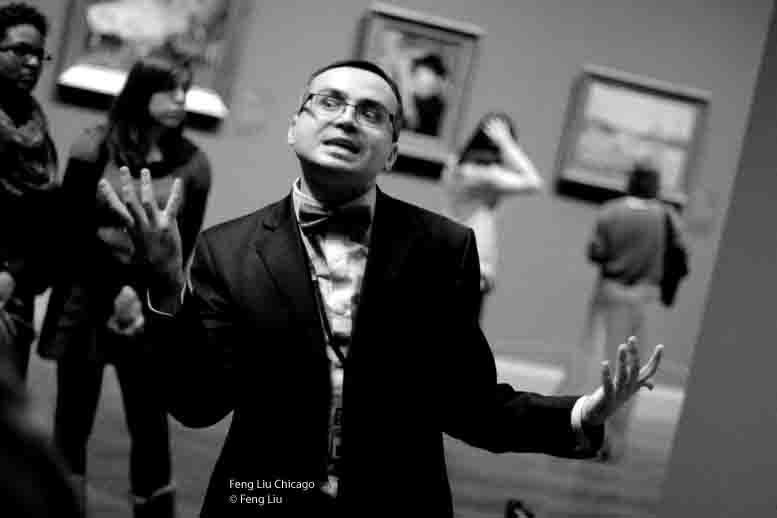
Chicago’s streets tell stories that change with every step. The city pulses with energy, from the towering skyscrapers downtown to the quiet corners near the Art Institute. Feng Liu, a photographer known for his keen eye and deep connection to urban life, captures these moments with a unique perspective. His work reveals the everyday scenes that make Chicago’s street life so compelling.

The Heart of Downtown Chicago
Downtown Chicago is a place where history and modern life collide. Feng Liu’s photography focuses on this dynamic environment, showing how people interact with the city’s architecture and each other. His images often highlight the contrast between the old and new, the busy and the calm.

Walking through the Loop, Liu captures scenes of commuters rushing past iconic buildings, street vendors setting up their stalls, and artists performing on sidewalks. These moments reflect the city’s rhythm and diversity. The streets become a stage where countless stories unfold every day.

Moments of Connection and Movement
What makes Feng Liu’s street photography stand out is his ability to find moments of connection amid the chaos. Whether it’s a brief exchange between strangers or a solitary figure lost in thought, his photos invite viewers to pause and reflect.
In one image, a man waits patiently at a crosswalk, framed by the towering glass of a nearby skyscraper. The photo shows both the individual’s stillness and the city’s constant motion. This balance between movement and pause is a recurring theme in Liu’s work, offering a fresh way to see familiar urban scenes.

The Art Institute and Its Surroundings
Near the Art Institute of Chicago, the street life takes on a different character. This area blends culture, creativity, and everyday city living. Feng Liu’s photos here capture visitors admiring sculptures, locals enjoying the park, and street musicians adding sound to the visual experience.
The Art Institute itself serves as a backdrop that enriches the stories told on the streets. Liu’s images often include glimpses of the museum’s architecture, linking the art inside with the life outside. This connection highlights how public spaces and cultural institutions shape the city’s identity.

A Closer Look at Chicago’s Diversity
Chicago’s strength lies in its diversity, and Feng Liu’s photography reflects this truth. His work showcases people from all walks of life, each contributing to the city’s character. From business professionals to artists, from tourists to longtime residents, the streets are a mosaic of experiences.

Liu’s photos avoid stereotypes and instead focus on genuine moments. This approach helps viewers appreciate the complexity and richness of urban life. It also encourages a deeper understanding of the city’s social fabric.

The Power of Street Photography
Street photography like Feng Liu’s does more than document. It invites us to see the city through new eyes. By focusing on everyday scenes, Liu reveals beauty in the ordinary and meaning in the fleeting.
His work reminds us that cities are living, breathing places shaped by the people who move through them. Each photo is a snapshot of time, capturing a unique blend of light, shadow, and human presence.