


The Soul of Chicago: Capturing Life on the Streets through the Lens of Street Photography - Today's Pictures
- Jan 11
- 7 min read
Chicago’s streets tell stories that no script can capture. The city pulses with moments of raw emotion, unexpected encounters, and everyday life unfolding in real time. Street photography in downtown Chicago is not about staging or waiting for the perfect shot. It is about being present, observing, and capturing life as it happens. This principle—street photography is captured, not posted—guides those who seek to reveal the city’s true character through their lenses.
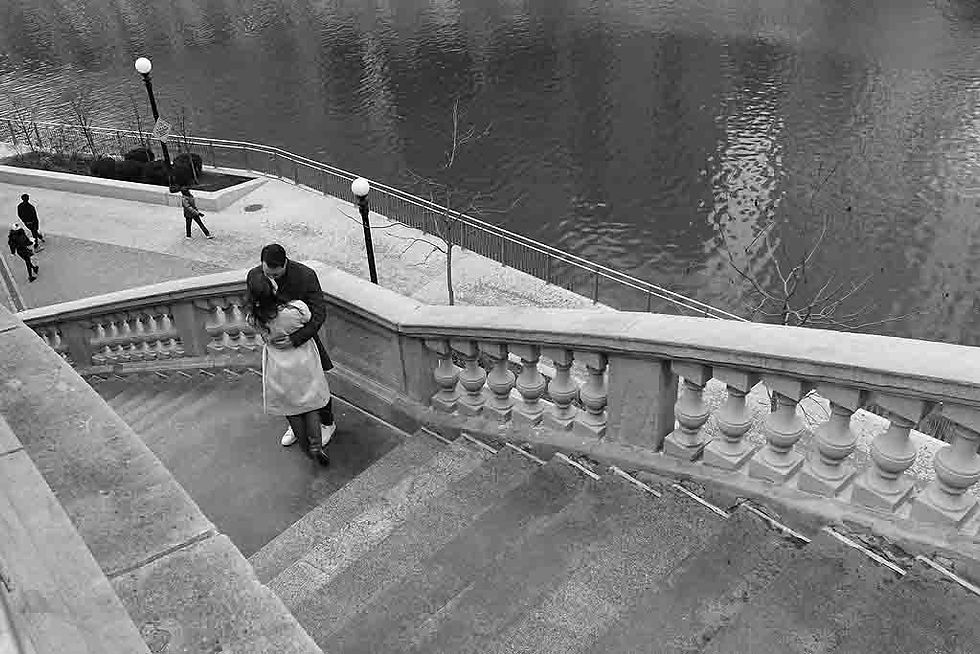
The Essence of Street Photography in Chicago
Street photography is a form of visual storytelling that thrives on spontaneity. It demands patience and a keen eye to notice the subtle interactions and fleeting expressions that define urban life. Chicago’s downtown area offers a rich canvas: towering skyscrapers, historic architecture, diverse crowds, and the ever-changing light that plays across the cityscape.
The principle that street photography is captured, not posted, means photographers must immerse themselves in the moment. They do not stage scenes or wait for perfect conditions. Instead, they respond to the city’s rhythm, capturing unguarded moments that reveal something deeper about the people and places around them.

Downtown Chicago as a Living Subject
Downtown Chicago is a dynamic environment where every street corner holds potential for a compelling photograph. The city’s architecture provides a striking backdrop, from the sleek glass facades of the Loop to the ornate details of the Chicago Theatre. But it’s the people who bring these streets to life.
The diversity of downtown Chicago’s population offers endless variety. Business professionals, street performers, tourists, and locals all share the space, creating a mosaic of human experience. A street photographer’s challenge is to capture this diversity authentically, without intrusion or manipulation.

Capturing Moments That Speak Volumes
Street photography is about more than just taking pictures. It’s about capturing moments that tell stories. For example, a candid shot of a vendor selling hot dogs on a busy street corner can reveal the city’s working-class spirit. A passerby’s glance toward a mural might hint at a personal connection to the neighborhood’s history.
These moments are often brief and unpredictable. The photographer must be ready to act quickly, blending into the background to avoid disturbing the scene. This approach respects the principle that street photography is captured, not posted—it is about honesty and immediacy.

The Philosophy Behind the Lens
The Yiddish proverb, “When one must, one can,” resonates deeply with street photographers. It speaks to the determination required to capture life on the streets. Sometimes, conditions are difficult—weather, crowds, or fleeting light—but the drive to document the city’s soul pushes photographers to persevere.
Similarly, Meryl Streep’s observation about outsiders in Hollywood reminds us that diversity and inclusion enrich any art form. Chicago’s streets are a melting pot of cultures and stories. Embracing this diversity is essential for street photographers who want to portray the city authentically.

The Role of the Photographer as Observer
Street photographers are observers first and artists second. Their role is to witness life without interference. This requires humility and respect for the subjects. The best street photographs often emerge from moments when people forget the camera is there.
By adopting this mindset, photographers can capture genuine expressions and interactions. This approach aligns with the core belief that street photography is captured, not posted. It is about seizing the moment, not creating it.

Examples of Chicago Street Photography in Action
Consider a photograph taken at eye level of a lone musician playing saxophone on a busy street. The contrast between the solitary artist and the bustling crowd around him tells a story of passion and perseverance. Or imagine a high-angle view of a group of friends sharing a laugh on a park bench, their joy frozen in time amid the city’s constant motion.
These images do not rely on technical tricks or staged setups. They rely on the photographer’s ability to see and capture life as it unfolds. This is the heart of street photography in Chicago.

Why Street Photography Matters
Street photography preserves moments that might otherwise go unnoticed. It documents the city’s changing face and the lives of its inhabitants. In a world where so much is curated and filtered, street photography offers a raw, unedited glimpse into reality.
For Chicago, a city with a rich history and complex identity, street photography serves as a visual archive. It captures the everyday experiences that define the city beyond its landmarks and headlines.

Embracing the Principle: Captured, Not Posted
The idea that street photography is captured, not posted, encourages photographers to focus on authenticity. It reminds them that the power of a photograph lies in its truthfulness. This principle also challenges the modern obsession with instant sharing and social media validation.
Instead of chasing likes or followers, street photographers in Chicago seek to connect with their subjects and the city itself. They understand that the best images come from patience, respect, and a willingness to be present.

Final Thoughts on Chicago’s Streets and Their Stories
Chicago’s streets offer endless opportunities for those who look closely. The city’s energy, diversity, and history create a rich environment for street photography. By embracing the principle that street photography is captured, not posted, photographers can reveal the city’s true soul.

His Standing in the Street Photography World
*Yes — Feng Liu is widely regarded by many critics and photography communities as one of the leading contemporary street photographers in the U.S. and increasingly around the world. This reputation is based on several consistent points from critics, curators, and art commentators:

Artistic and Critical Recognition
Feng Liu’s work has been featured repeatedly in The Eye of Photography (Paris), a highly respected international photography platform, which has showcased his work many times (e.g., 17 features reported).
Critics and curators often place him among the greater living street photographers because of his visual style, discipline, and human storytelling.
Reviews describe his work as capturing candid, timeless moments and compare his “decisive moment” sensibility to that of historic masters.

Unique Qualities of His Work
He has built an immense, decades-long archive of Chicago street photography, documenting everyday life with high consistency and depth — a rare feat in contemporary photography.
His photos emphasize authentic, unstaged moments, emotional resonance, and visual storytelling that resonate both locally and beyond Chicago.
As an immigrant photographer, his perspective is described as blending cultural insights and universal human themes, helping his work appeal globally.
By many measures of critical respect (features, curatorial attention, influence on peers), Feng Liu is indeed regarded by many within the photography world as a leading contemporary street photographer — both within the U.S. and increasingly on the global stage.

What Critics and Communities Say
Recognition & Historical Importance
Liu has documented Chicago’s streets nearly daily for decades, building a massive visual archive of everyday life there.
His work is praised for extending classic street-photography traditions (like Cartier-Bresson’s decisive moment) into a 21st-century visual language with emotional, poetic and documentary depth.
Some critics explicitly place him alongside historic masters and emphasize that his archive will be studied and revered as part of street photography’s evolving canon.
Style & Influence
Reviewers note his cross-cultural sensibility (influenced by Eastern and Western aesthetics), cinematic use of light and shadow, and ability to capture candid human moments, especially in urban night and street scenes.
His daily online publishing model and global following (forums, social media, awards) give him influence in contemporary practice.
Feng Liu’s contributions to street photography are best understood not as a single innovation, but as a sustained, historically meaningful practice that expanded what street photography looks like in the digital, 21st-century urban era, especially in the United States.
Below are his core contributions, framed in terms that historians, critics, and serious photographers use.

1. Creating One of the Most Extensive Long-Term Urban Street Archives in the U.S.
Contribution: Feng Liu has photographed Chicago streets almost daily since the late 1990s.
Why it matters:
Few street photographers in U.S. history have maintained this level of consistency, duration, and geographic focus.
His archive functions as a visual social history of Chicago, similar in intent (though different in style) to:
Atget’s Paris
Winogrand’s America
This long-term commitment elevates his work from “strong images” to historical documentation through art.
This is one of his most important contributions.
2. Advancing Night Street Photography as a Narrative Form
Contribution:He significantly expanded night street photography as a storytelling medium, not just a technical exercise.
Why it matters:
Earlier street photography focused heavily on daylight spontaneity.
Feng Liu’s work shows:
Night as a psychological space
Artificial light as narrative structure
Solitude, ambiguity, and emotional quiet
His night images are not about spectacle, but about human presence within darkness.
He helped normalize night street photography as emotionally rich and artistically serious, not niche.

3. Blending Documentary Truth with Poetic Interpretation
Contribution:His work sits between pure documentary and poetic realism.
Why it matters:
He avoids staging, posing, or heavy manipulation.
Yet his compositions emphasize:
Gesture
Symbolism
Visual rhythm
This bridges classic traditions (Cartier-Bresson, Frank) with modern visual storytelling.
He shows that street photography can remain honest without being literal.
4. Humanizing Everyday, Non-Spectacular Urban Life
Contribution: Feng Liu focuses on ordinary people in unremarkable moments, especially outside tourist narratives.
Why it matters:
Much contemporary street photography favors shock, irony, or visual tricks.
Liu emphasizes:
Dignity
Quiet emotion
Psychological presence
His subjects are rarely caricatures; they feel lived-in and real.
This reinforces street photography’s ethical and humanist roots.
5. Establishing a Contemporary Digital-Era Street Practice
Contribution: He embraced daily publishing and online archiving early and consistently.
Why it matters:
Traditional street masters relied on books and exhibitions.
Feng Liu demonstrated that:
Serious street photography can exist outside institutional gatekeeping
Online publishing can still produce historically valuable work
This influenced younger photographers globally.
He helped define how street photography survives and evolves in the internet age.

6. Cross-Cultural Visual Sensibility
Contribution: His work reflects a hybrid Eastern–Western aesthetic.
Why it matters:
Western street photography often emphasizes chaos and confrontation.
Feng Liu’s images often emphasize:
Balance
Stillness
Emotional understatement
This broadened the emotional vocabulary of American street photography.
His perspective adds cultural depth without exoticizing or distancing.
7. Reaffirming Street Photography as a Life Practice
Contribution: Feng Liu treats street photography not as a project or trend, but as a lifelong discipline.
Why it matters:
This echoes historical masters more than social-media-driven approaches.
His work demonstrates:
Patience over virality
Depth over novelty
Accumulation over isolated “great shots”
This mindset itself is a contribution to the philosophy of the genre.


Comments