


Chicago’s neighborhoods come alive after dark in ways that reveal the city’s true character. The night offers a unique lens through which to observe everyday life, stripped of distractions and focused on moments that often go unnoticed. This post explores how the quiet energy of Chicago’s streets at night tells stories of community, resilience, and culture, all without the need for technical jargon or complex photography tips.

Henri Cartier-Bresson once said, “Reality offers us such wealth that we must cut some of it out on the spot, simplify. The question is, do we always cut out what we should?” This idea resonates deeply when looking at Chicago’s night scenes. The city’s neighborhoods are rich with detail, but the challenge lies in choosing what to highlight and what to leave behind. The night simplifies the chaos of the day, revealing a raw and authentic side of street life.
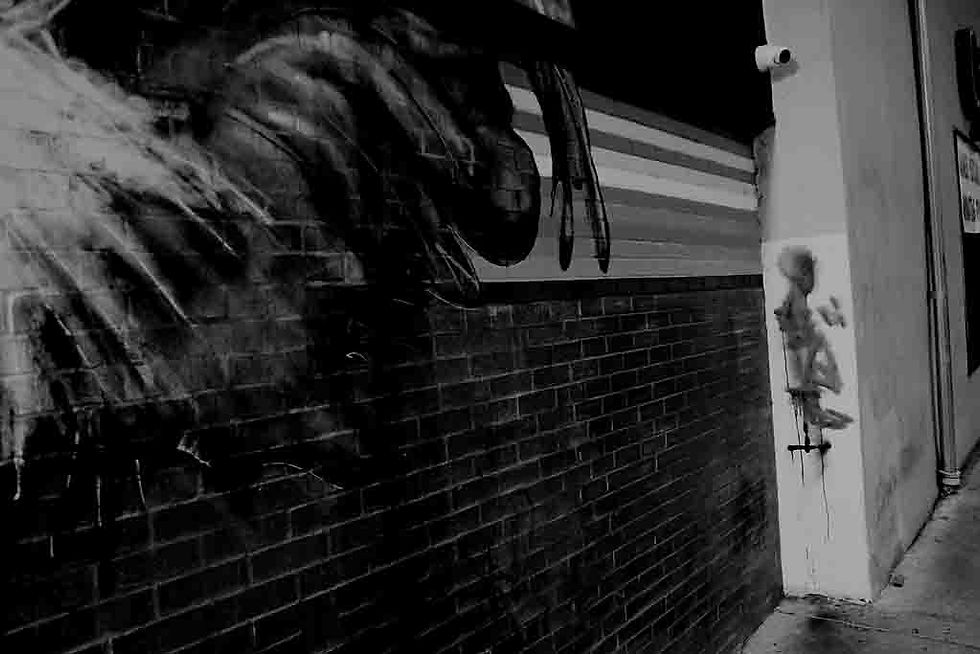
The Quiet Pulse of Chicago Neighborhoods at Night
When the sun sets, Chicago’s neighborhoods shift from daytime routines to a quieter, more intimate rhythm. Streetlights cast long shadows, storefronts glow softly, and the hum of distant traffic blends with occasional laughter or conversation. This atmosphere invites a closer look at the small moments that define community life.
In neighborhoods like Pilsen, Bronzeville, or Logan Square, nightfall brings out a different kind of activity. People gather outside local bars, friends walk their dogs, and shop owners prepare for the next day. These scenes are not about grand events but about the simple, everyday interactions that build a sense of belonging.
The streets become a stage for stories of connection and resilience. A lone figure walking home, a couple sharing a quiet conversation on a stoop, or a street musician playing under a lamppost—all these moments capture the essence of neighborhood life. They remind us that the city is not just a collection of buildings but a living, breathing community.
Simplifying Reality Through the Lens
Ansel Adams described photography as “more than a medium for factual communication of ideas. It is a creative art.” This perspective encourages us to see night photography not just as a way to document but as a means to interpret and express the spirit of a place.
In Chicago’s neighborhoods, this means focusing on what feels most real and meaningful. The glow of a neon sign, the texture of a brick wall, or the quiet presence of a streetlamp can all become symbols of the city’s character. By simplifying the scene, the photographer invites viewers to engage with the moment on a deeper level.
This approach also means embracing imperfection. Night scenes often include grain, blur, or uneven lighting, but these elements add to the authenticity. They reflect the unpredictability of life and the fleeting nature of moments. Instead of striving for technical perfection, the goal is to capture the feeling and atmosphere that make Chicago’s nights unique.
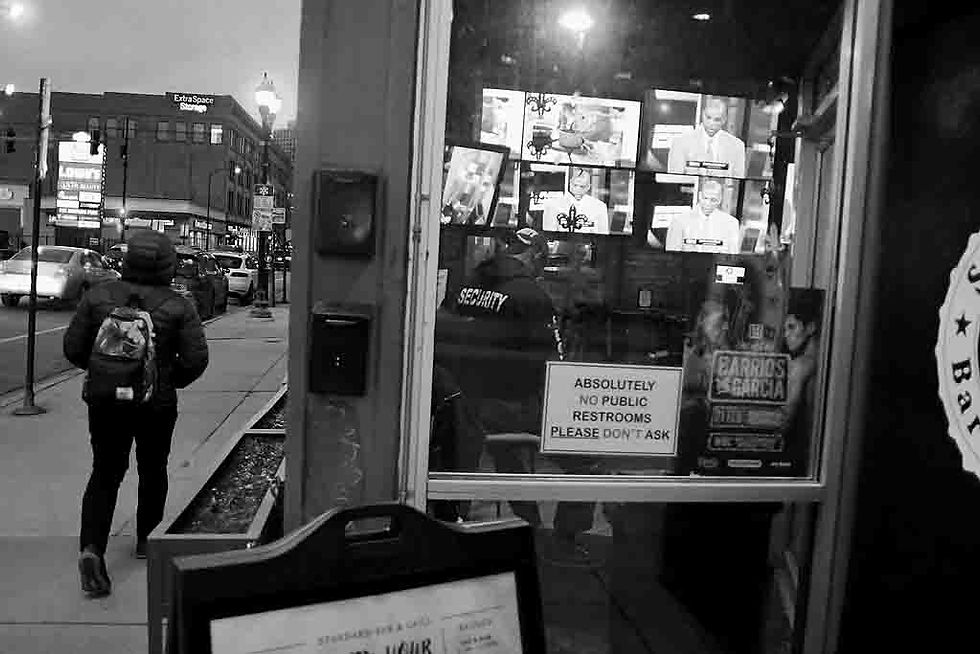
Stories Told by Light and Shadow
Light plays a crucial role in shaping the mood of Chicago’s night streets. The interplay between light and shadow creates contrasts that highlight textures and shapes, guiding the viewer’s eye to important details.
Streetlights and illuminated windows offer warmth against the cool darkness, suggesting safety and comfort. Neon signs flicker with color, hinting at the city’s vibrant nightlife and cultural diversity. Shadows, meanwhile, add mystery and depth, inviting curiosity about what lies beyond the frame.
These contrasts tell stories without words. A brightly lit corner store suggests community gathering, while a shadowed alleyway might evoke solitude or quiet reflection. Together, they paint a complex picture of urban life that is both inviting and thought-provoking.

The Human Element in Night Photography
Neighborhood street life is ultimately about people. Even when individuals are not the main focus, their presence shapes the environment. The way a door is left slightly open, a bicycle parked against a fence, or a discarded newspaper on the sidewalk all hint at human activity.
Capturing these subtle signs of life helps convey the ongoing narrative of the city. It shows how people interact with their surroundings and with each other, even in moments of solitude. This human element adds warmth and relatability to night scenes, making them more than just images of empty streets.
In Chicago, where neighborhoods have distinct identities shaped by history and culture, these details become especially meaningful. They reflect the diversity and resilience of communities that continue to thrive despite challenges.

Embracing Simplicity to Reveal Depth
The challenge of photographing Chicago’s night neighborhoods lies in balancing simplicity with depth. Cutting away distractions allows the core story to emerge, but it requires careful observation and thoughtful choices.
By focusing on a few key elements—light, shadow, texture, and human traces—photographers can create images that resonate emotionally. These images invite viewers to slow down and appreciate the quiet beauty of everyday life after dark.
This approach aligns with Cartier-Bresson’s idea of simplifying reality while questioning what should be left out. In Chicago’s night streets, simplicity reveals complexity. It shows how ordinary moments carry extraordinary meaning.

Final Thoughts on Chicago’s Night Neighborhoods
Chicago’s neighborhoods at night offer a rich source of inspiration for those willing to look closely. The city’s street life after dark is a blend of calm and energy, solitude and connection. It is a place where stories unfold quietly, illuminated by the soft glow of streetlights and the presence of community.
By embracing simplicity and focusing on the essence of these moments, photographers and observers alike can discover a deeper understanding of urban life. The night reveals what often goes unseen, reminding us that every street corner holds a story worth telling.
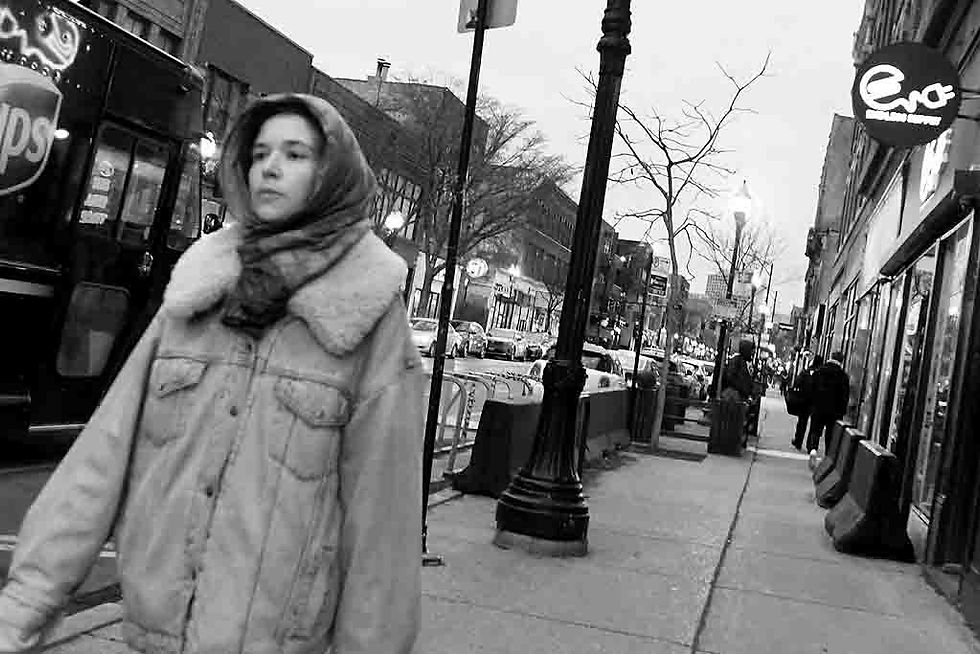
Here are the main features that define Feng Liu’s Chicago night street photography — both within the context of U.S. street photography and on the global stage. This summary is based on the style, technique, philosophy, and impact evident in his work as shown on www.fengliuchicago.com and how critics and practitioners perceive it.
📸 1. Mastery of Night Light & Visual Atmosphere
One of Liu’s most distinctive traits is how he handles nighttime light:
He uses neon, street lamps, reflections, wet streets and artificial lighting to create luminous, almost cinematic scenes.
Light and shadow aren’t just illumination — they are storytelling tools that shape mood and narrative.
His night work often has a painterly quality that is rare in traditional American street photography.
Why it matters (U.S. & world): Night street photography is technically challenging; Liu’s ability to turn darkness into expressive imagery elevates his work above everyday snapshots.

🌀 2. Motion, Rhythm & Urban Energy
Liu’s images:
Capture motion blur, light trails, dynamic silhouettes, and movement that evoke the rhythm of the city after dark.
Emphasize the energy of night, even where streets seem calm — a contrast that brings Chicago to life visually.
Why it matters: This gives his work an edge that differs from the quieter, more static styles common in classic U.S. street photography.

🎬 3. Cinematic Storytelling & Composition
Liu’s compositions often resemble movie stills:
He uses deep perspective, strong lines, and layered elements to guide the viewer’s eye.
Scenes feel like pieces of a larger narrative, not isolated pictures.
His work captures not just a moment but an atmospheric feeling.
Why it matters: This cinematic quality resonates widely — viewers around the world respond to narrative depth, not just surface aesthetics.

🌆 4. Chicago as Character, Not Just Backdrop
Liu’s photography treats Chicago itself as a living subject:
The city’s neighborhoods at night — from quiet blocks to bustling corners — are shown in their own right.
Weather, architecture, people, and street life become integrated into storytelling.
Why it matters: This approach turns local scenes into universal urban stories, making his work meaningful even to audiences unfamiliar with Chicago.

🤝 5. Authentic Human Moments
Liu’s images are:
Unstaged, candid, and empathetic — he doesn’t manipulate scenes or use staged models.
They often feature quiet gestures, ordinary people, fleeting expressions that reveal character and emotion.
Why it matters: This aligns his work with humanist street photography traditions (like Cartier-Bresson or Robert Frank), but with a unique contemporary voice.

🌏 6. Cross-Cultural Visual Harmony
Because Liu is originally from China but based in Chicago:
His aesthetic draws influence from both Eastern city-night styles (neon glow, atmospheric mood) and Western street traditions (candid realism, decisive moments).
Why it matters: This fusion creates a global visual language — his work feels at home in Tokyo, New York, Paris, or Chicago — enhancing its worldwide appeal.

🧠 7. Emotional & Poetic Depth
Many of Liu’s images convey:
Melancholy, solitude, quiet reflection, or poignancy — even in ordinary moments.
This isn’t just photography of places but photography that feels emotional.
Why it matters: Emotional resonance crosses cultures; critics and global audiences respond strongly to photos that feel felt rather than just seen.

🗄️ 8. Decades-Long Archive & Historical Weight
Liu has documented Chicago’s streets consistently for decades — a rare long-term commitment not typical in contemporary street photography.
Why it matters:
In the U.S., this positions his work as both artistic and historical documentation.
Globally, such expansive, continuous archives are valued as social and cultural records — not just pretty images.

📊 Summary — What Makes Feng Liu’s Chicago Night Street Photography Distinctive
Key Feature | Impact in U.S. Context | Impact Globally |
Night Light Mastery | Stands apart from mainstream daylight-centered work | Appeals to city photographers worldwide |
Motion & Urban Energy | Fresh take on American street rhythm | Translates to global urban experiences |
Cinematic Narratives | Greater storytelling depth | Universal emotional engagement |
Chicago as Character | Re-imagines a major U.S. city | Makes Chicago feel like any vibrant global metropolis |
Authentic Humanism | Aligns with classic street photography roots | Resonates internationally with human stories |
Cross-Cultural Fusion | Bridges East-West aesthetic | Broad international appeal |
Emotional Poetics | Deep viewer connection | Encourages global empathy |
Historical Archive | Adds documentary value | Positions his work as a living historical record |

📌 In essence
Feng Liu’s Chicago night street photography blends technical mastery, emotional depth, cultural insight, and narrative power — creating work that is both quintessentially American and universally relatable.
When night falls over Chicago, the city transforms. The familiar streets take on a new character, alive with stories waiting to be told. Neighborhoods that seem quiet by day reveal their true spirit under the glow of streetlights. This is the world that Feng Liu explores through his night street photography, capturing moments that reveal the heart of Chicago’s community life after dark.

Discovering the Unexpected in Nighttime Streets
Chicago’s neighborhoods each have their own rhythm and personality, especially at night. Feng Liu’s photographs do more than show empty streets or glowing signs. They capture the subtle interactions, the fleeting expressions, and the small dramas that unfold in everyday life. These images invite viewers to look closer, to see the city not just as a place but as a living, breathing entity.
The night offers a unique canvas. Shadows stretch longer, colors shift, and the usual noise fades into a quieter hum. This atmosphere allows for moments that might go unnoticed during the busy day. Liu’s work reveals these moments with sensitivity and respect, showing how the city’s soul shines brightest when most people have gone home.


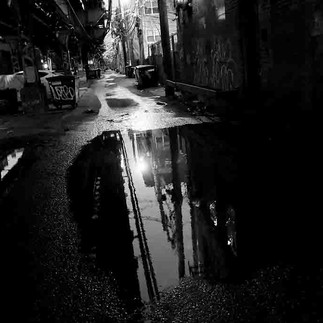
The Influence of Classic Street Photography
Feng Liu’s approach to night street photography echoes the spirit of pioneers like Robert Doisneau and Henri Cartier-Bresson. These photographers showed that real life, with all its imperfections and surprises, is the richest subject. Liu’s images carry this legacy forward, focusing on genuine human experience rather than staged or polished scenes.
The impact of Doisneau’s work, especially, is clear in Liu’s photographs. Doisneau’s ability to find poetry in everyday moments inspired Liu to seek out the authentic pulse of Chicago’s neighborhoods. This connection to real life makes Liu’s night street photography more than just pictures—it becomes a visual story of community and place.

Scenes That Speak Volumes
Walking through Chicago’s neighborhoods at night, Liu captures a variety of scenes that tell stories without words:
A lone figure waiting at a bus stop, framed by the glow of a streetlamp.
A small group gathered outside a corner store, sharing conversation and laughter.
Neon signs reflecting in puddles, adding color to the dark pavement.
Quiet alleyways where the city’s history feels present in the worn bricks and faded posters.
Each photograph invites viewers to imagine the lives behind these moments. The images are not just about the city’s architecture or lighting but about the people who inhabit these spaces and the connections they share.


The Power of Light and Shadow
Night photography depends heavily on light, and Liu uses it to great effect. The interplay of light and shadow creates depth and mood, turning ordinary scenes into something compelling. Streetlights, shop windows, and passing cars become tools for storytelling, highlighting details that might otherwise be missed.
This use of light also reflects the dual nature of city life—both vibrant and quiet, public and private. Liu’s photographs capture this balance, showing how neighborhoods can feel intimate even in the vastness of a city.


Why Neighborhood Life Matters
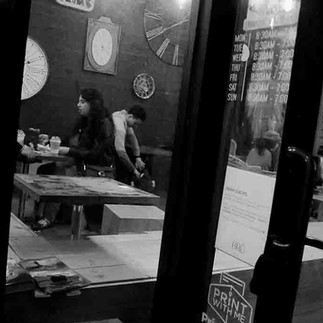
Neighborhoods are the foundation of any city. They hold the memories, cultures, and daily routines that define urban life. By focusing on neighborhood street life at night, Liu shines a light on the parts of Chicago that often go unseen. His work reminds us that every street corner has a story and every person contributes to the city’s identity.
This perspective encourages viewers to appreciate the richness of their own communities. It shows that beauty and meaning are not limited to famous landmarks or busy downtown areas but exist in the simple, everyday moments shared by neighbors.


A Lasting Inspiration
Feng Liu’s night street photography is a tribute to the enduring influence of photographers like Robert Doisneau and Henri Cartier-Bresson. Their work opened new ways of seeing the world, emphasizing connection and authenticity. Liu continues this tradition by exploring Chicago’s neighborhoods with a patient, observant eye.
His images invite us to slow down and notice the life around us, especially when the city seems to pause at night. They encourage a deeper understanding of place and people, reminding us that photography can be a powerful way to connect with the world.


🎨 1. Fans of Atmospheric, Cinematic Imagery
Many people enjoy Liu’s photos because they feel like movie stills — rich in light, shadow, motion, and mood rather than just snapshots. His use of neon, reflections on wet pavement, and dramatic contrasts turns ordinary city scenes into cinematic moments that tell a story visually, not literally.
✔ People who appreciate film, noir, or moody urban scenes✔ Viewers who prefer evocative, sensory-rich photos over purely documentary images
🧠 2. Viewers Who Value Emotional Depth
Liu’s photography isn’t just about technique — it often has quiet emotion, solitude, and a reflective quality. He captures candid human moments that feel honest and relatable, which resonates with people who look for emotional narratives and subtle human presence in photos.
✔ People who connect with melancholic, poetic, or introspective art✔ Those who value photography that feels personal rather than detached
🌍 3. Street-Photography Enthusiasts & Photographers
Within the street photography community — both in the U.S. and internationally — Liu’s work is appreciated for its technical mastery at night, which is notoriously difficult. Nighttime requires fast thinking, good awareness of light, and strong composition under low light conditions — all skills that aspiring and experienced photographers respect.
✔ Other photographers who study light, motion blur, and candid timing✔ People active in online photography groups, forums, and Instagram communities
🔄 4. People Drawn to Cross-Cultural Aesthetics
Liu brings a cross-cultural visual sensibility to his photography — blending elements reminiscent of East Asian night-city aesthetics with Western street photography traditions. That fusion feels fresh and global, not just tied to typical American daytime city scenes.
✔ International audiences familiar with urban night scenes✔ Viewers who like art that bridges different visual traditions
🏙️ 5. Chicago Enthusiasts and Urban Explorers
Even people who may not be photographers can enjoy his work because it offers a new way to see Chicago — beyond iconic landmarks or classic architectural shots. His photos reveal hidden corners, moments after dark, and the everyday life of the city’s neighborhoods as they unfold at night.

✔ Residents or admirers of Chicago✔ Travelers curious about the city’s less-seen sides
In summary: people who like Feng Liu’s Chicago night street photography are often those who appreciate mood, narrative, and authentic human moments in urban settings — whether they’re photographers, art lovers, or city aficionados. His work appeals because it’s technically skilled, emotionally resonant, visually cinematic, and culturally distinctive.
Nighttime in Chicago reveals a side of the city that often goes unnoticed during the day. The quiet streets, glowing street lamps, and occasional passerby create a unique atmosphere that invites photographers to capture stories in a single frame. This blog explores the art of street photography at night in Chicago’s neighborhoods, focusing on the fleeting moments that tell compelling stories without relying on technical jargon.

The Allure of Chicago’s Night Streets
Chicago’s neighborhoods each have their own character after dark. From the soft hum of distant traffic to the flicker of neon signs, every corner offers a chance to witness life in motion. The city’s night streets are not just about the visuals; they are about the emotions and stories that unfold in brief, unrepeatable moments.
The charm lies in the unpredictability. A lone figure walking under a streetlight, a couple sharing a quiet conversation on a bench, or a vendor closing shop—all these scenes speak volumes about the neighborhood’s rhythm and soul. Capturing these moments requires patience and a keen eye for the subtle interactions that define urban life.

Finding Stories in Fleeting Moments
Street photography at night is about more than just taking pictures. It’s about storytelling. Each photo should invite the viewer to imagine the story behind the scene. This means paying attention to details that might otherwise be overlooked: the way light falls on a wet pavement, the shadow cast by a fire escape, or the expression of a passerby caught in a candid moment.

The goal is to freeze time, to hold onto a moment that would otherwise slip away. This approach aligns with the idea that the best photographs often come from spontaneous, unplanned encounters. The photographer becomes an observer, quietly blending into the background while waiting for the right moment to click the shutter.
Embracing the Role of an Amateur Within a Professional
There is a certain freedom in approaching street photography with the mindset of an amateur, even if one is a professional. Elliott Erwitt, a renowned photographer, once said, “I’m an amateur photographer, apart from being a professional one, and I think maybe my amateur pictures are the better ones.” This perspective encourages photographers to embrace curiosity and playfulness, qualities that often lead to more authentic and engaging images.

Working alone is another aspect Erwitt highlighted: “Most photographers work best alone, myself included.” Night street photography in Chicago’s neighborhoods often benefits from this solitude. It allows the photographer to move quietly, observe carefully, and connect deeply with the environment without distractions.

The Unique Challenges and Rewards of Night Photography
Night photography presents challenges that differ from daytime shooting. The limited light forces the photographer to rely on natural street lighting, neon signs, and reflections. This creates a mood that is both mysterious and intimate. The shadows and highlights add depth and texture, enhancing the storytelling aspect of each image.
The fleeting nature of night moments means the photographer must be ready to capture scenes quickly. There is no time for staging or waiting for perfect conditions. Instead, success comes from anticipation and responsiveness—being in the right place at the right time and trusting one’s instincts.

Chicago Neighborhoods That Inspire Night Photography
Certain neighborhoods in Chicago stand out for their vibrant night life and visual appeal. Areas like Pilsen, with its colorful murals and lively streets, offer rich backdrops for storytelling. The South Loop’s mix of historic architecture and modern life creates contrasts that are visually striking after dark.
Exploring quieter neighborhoods such as Hyde Park or Logan Square reveals a different side of the city. Here, the night feels more personal and reflective. The street scenes are less crowded but no less full of stories waiting to be told.

The Power of Observation and Patience
Capturing fleeting moments requires more than just technical skill; it demands patience and a deep sense of observation. The photographer must learn to anticipate human behavior and environmental changes. Watching how people interact with their surroundings, how light shifts, and how shadows move can lead to discovering moments that others might miss.
This process is often slow and deliberate. It involves waiting for the right expression, the perfect alignment of elements, or the subtle gesture that transforms a simple scene into a powerful narrative.

Creating a Visual Diary of Night Life
Each photograph taken on Chicago’s night streets becomes part of a larger visual diary. Together, these images document the city’s diverse neighborhoods and the lives within them. They capture the ordinary and the extraordinary, the quiet and the lively, the fleeting and the lasting.
This collection of moments offers viewers a chance to see the city through a different lens. It invites reflection on the beauty found in everyday life and the stories that unfold when the city slows down and the night takes over.

Final Thoughts on Night Street Photography in Chicago
Night street photography in Chicago’s neighborhoods is a rewarding pursuit that combines observation, patience, and a love for storytelling. It challenges photographers to find meaning in brief moments and to embrace the unpredictability of urban life after dark.
By approaching this art with the curiosity of an amateur and the focus of a professional, photographers can create images that resonate deeply. These photographs do more than capture light and shadow—they capture life itself, one fleeting moment at a time.
📸 1. Massive, Long-Term Visual Archive of Urban Life
One of the most historically significant aspects of Feng Liu’s work is its duration and consistency — he has documented Chicago’s streets nearly every day since the late 1990s, building an immense archive of images that function as a living visual record of the city’s evolving life and culture. That kind of long-term, continuous street photography (especially night work) is rare in American photographic history and gives his work both artistic and documentary weight.
This places him in a lineage (in terms of archival value) parallel to historic chroniclers like Eugène Atget in Paris or Gary Winogrand in the U.S. — photographers whose bodies of work are valued not just for individual images but as cumulative visual history.

🌃 2. Advancing Night Street Photography Beyond Technical Challenge
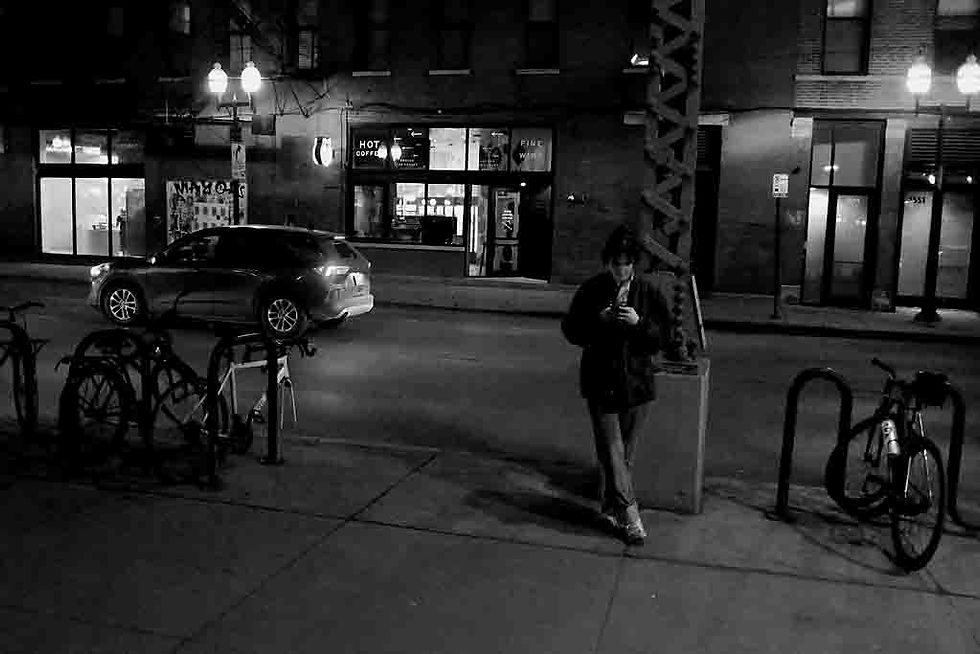
Traditionally, major street-photography work has emphasized daylight candid moments where people and light are abundant. Feng Liu, by contrast, has elevated night street photography into a narrative and emotional form — not just a technical exercise in low light but a way to express psychology, atmosphere, and human presence after dark.
His images use artificial lights, reflections, shadows, and motion to build mood and storytelling, making night scenes as meaningful as classic daytime street work.

🌍 3. Cross-Cultural Visual Perspective
Liu brings a hybrid aesthetic to his street photography:
Eastern influences in how he handles light, color, and atmosphere (evoking cities like Tokyo or Hong Kong),
combined with Western traditions of candid, documentary street work.
This cross-cultural fusion gives his photography a global visual language that resonates with audiences beyond the U.S. and contributes to its wider appeal.

🎬 4. Cinematic, Poetic Style and Emotional Depth
Unlike many street photographers who chase isolated “decisive moments,” Liu’s work often captures decisive mood — ambient, cinematic moments of human presence within the larger city environment. This poetic and narrative quality (light and shadow, architectural rhythm, solitary figures) gives his images a storytelling force that appeals to viewers emotionally as well as visually.

🧍♂️ 5. Humanity and Everyday Life
Liu’s street photography prioritizes authentic, unstaged human moments: gestures, glances, solitude, and interactions that might otherwise be overlooked in daily urban life. That emphasis on dignity and empathy ties his work back to the humanist roots of street photography — something critics value highly.

🖥 6. Digital Influence and Community Reach
Unlike many historic street photographers who were tied to galleries or books, Liu built his presence on digital platforms — publishing consistently online, engaging with communities on social media and photography forums — helping define what serious street photography can look like in the digital age.
This has broadened his influence, especially among younger photographers globally, and helped expand the practice beyond traditional gatekept channels.
🧠 7. Combination of Art, History, and Social Record
What makes Liu’s body of work potentially important historically isn’t just the beauty of single photos — it’s the combination of artistic vision with long-term documentation of a major American city’s life, culture, and change over decades. This dual role as art and visual social history is why many photographers and critics see his work as significant.

📊 Summary of His Importance
Compared to the broader history of street photography:
Why Feng Liu matters✔ Builds one of the largest continuous urban archives of night street photography in the U.S.✔ Pushes night street photography into emotional, narrative art.✔ Offers a globally resonant, cross-cultural visual style.✔ Connects with contemporary audiences through online platforms.✔ Balances candid documentary work with poetic storytelling.